
This article was created using a translator. There may be expressions that are difficult to understand. If you have any questions, please check by yourself.
Please consult us about anything related to Fujieda City.
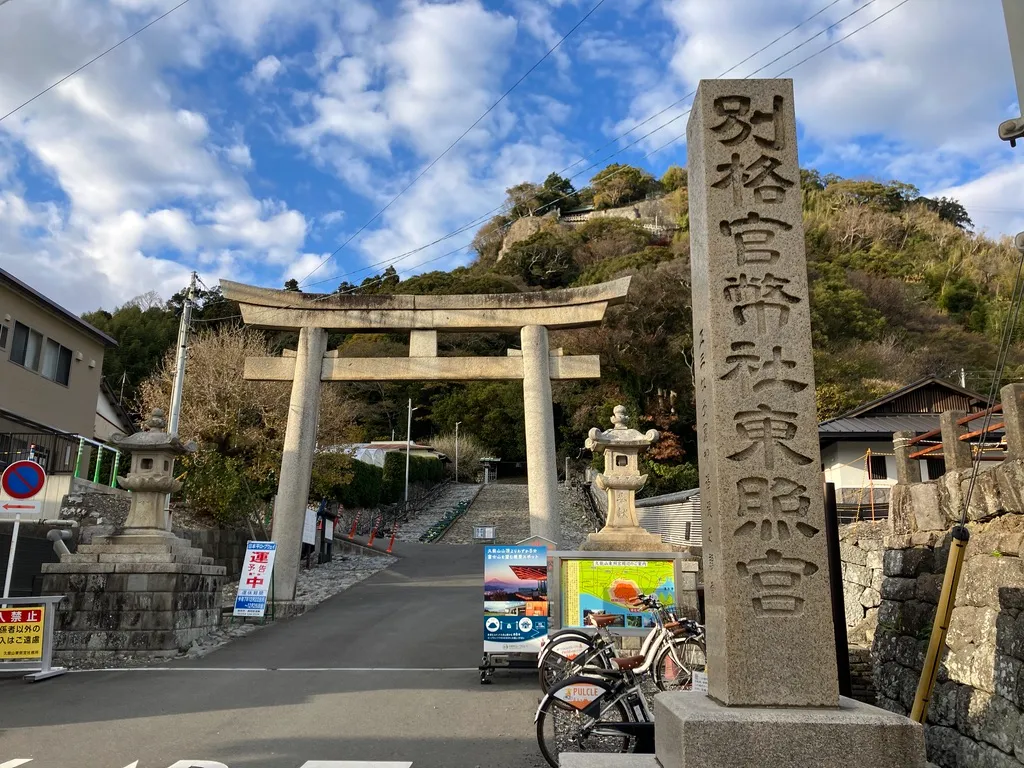
CONTACTAnd if you live in Shizuoka, you’ve surely heard the name at least once—Kunozan Toshogu Shrine. Perched in the mountains of Kunozan overlooking Suruga Bay, this shrine holds a very special place as the site where Lord Tokugawa Ieyasu was first enshrined.
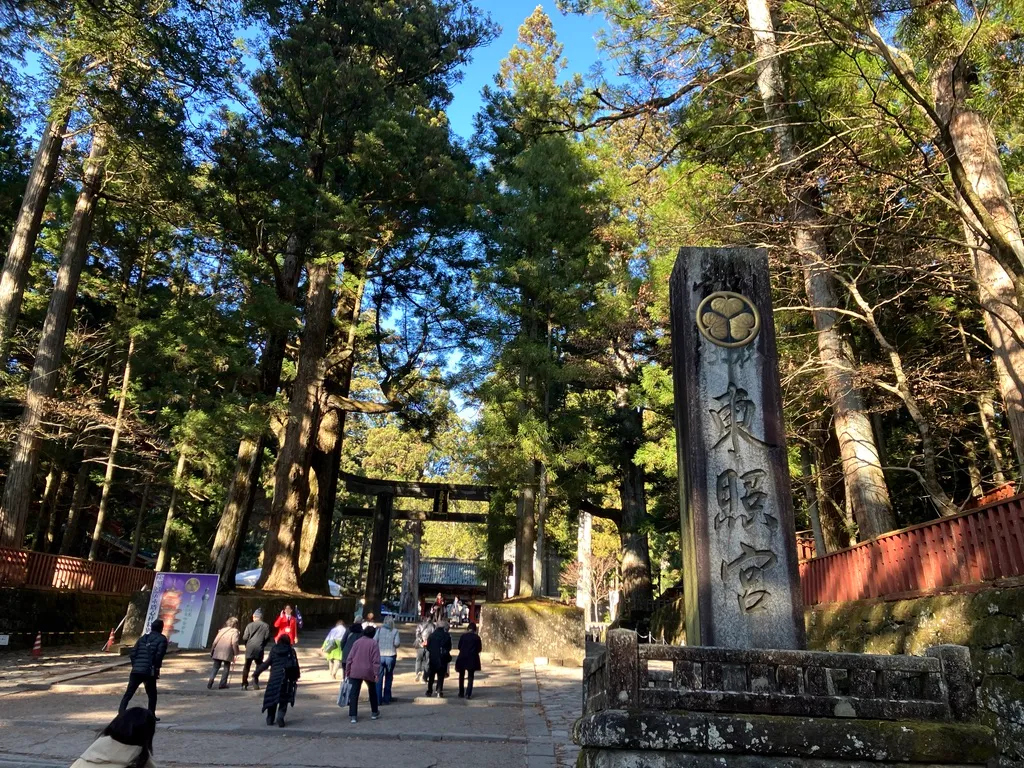
Last time we covered Nikko Toshogu. This time, we’ll introduce Kunozan Toshogu Shrine~
Overview of Kunozan Toshogu Shrine
Kunozan Toshogu Shrine is located on the southern slope of Mount Kunozan in Suruga Ward, Shizuoka City. Its principal deity is Tokugawa Ieyasu. Among the numerous Toshogu shrines nationwide, this one holds the distinction of being the “first Toshogu shrine.”
Its location is exceptionally distinctive: despite being atop a mountain, Suruga Bay spreads out before it. On clear days, the blue sea and the shrine’s vividly colored buildings create a stunning contrast, offering a taste of the extraordinary.
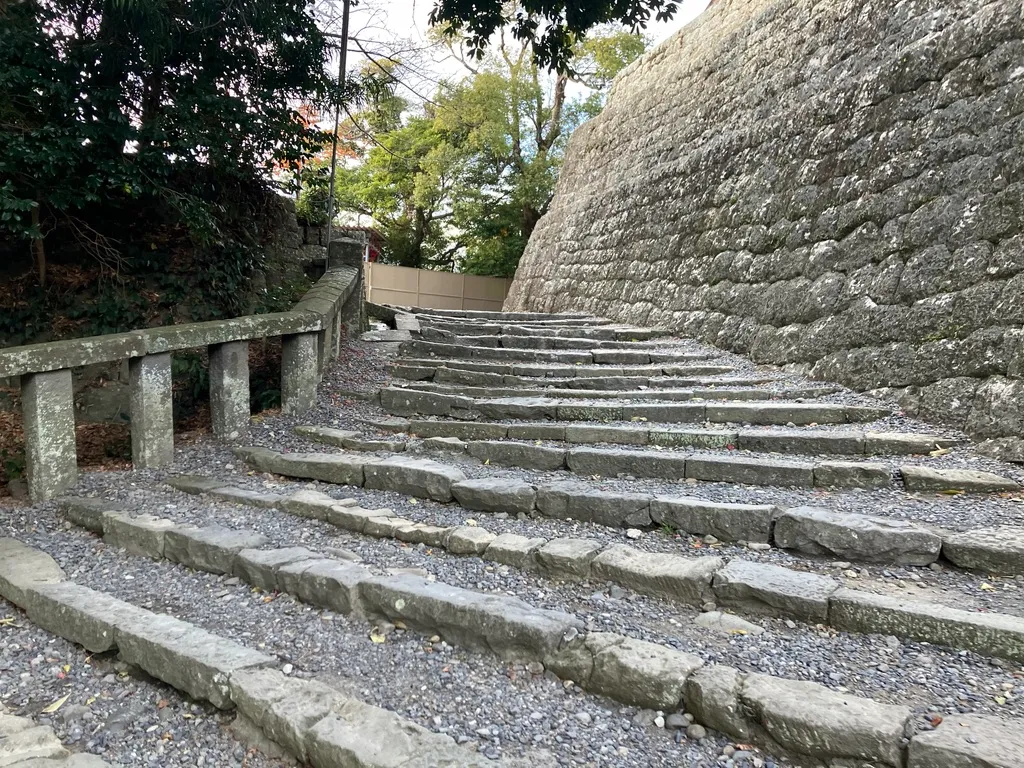
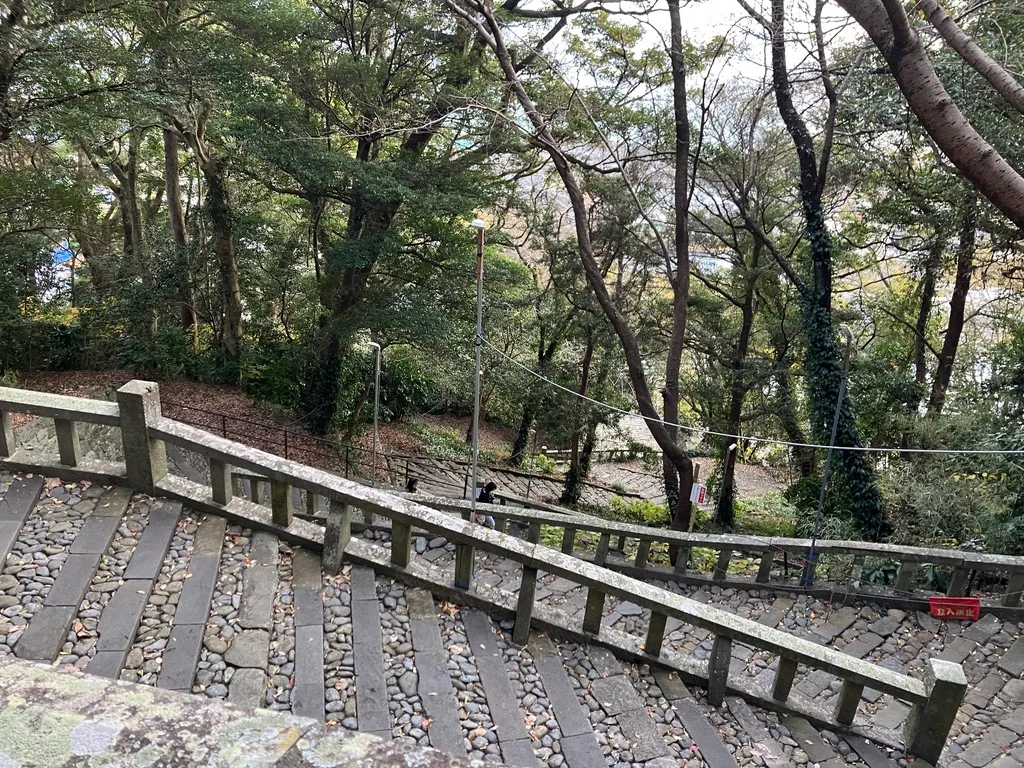
There are two main ways to access it. One is the route involving climbing the 1,159 stone steps. The other is taking the ropeway down from Nihondaira. Being able to choose based on your stamina and travel style is something unique to Kunozan Toshogu.
Of course, I went up the stairs!
Just like in Nikko, I’ve been climbing ridiculously long staircases lately lol
The Deep Connection Between Kunozan and Tokugawa Ieyasu
When discussing Kunozan Toshogu Shrine, its connection to Tokugawa Ieyasu is indispensable. Well, of course!
In 1616, Ieyasu passed away at the age of 75 in Sunpu Castle. It is said that in his will, he requested, “Bury my body at Kunozan and enshrine me as a deity.” Thus, Ieyasu’s remains were interred at Kunozan, leading to the establishment of Toshogu Shrine here.
In other words, Kunozan Toshogu is both “the place where Ieyasu rests” and “the starting point of his deification as Toshogu Daigongen.” While Nikko Toshogu was later developed and became vastly more famous, historically speaking, Kunozan came first. Understanding this makes the Toshogu complex come alive in a much more three-dimensional way.
Construction and Shrine Architecture
The shrine buildings of Kunozan Toshogu were constructed by order of the second shogun, Tokugawa Hidetada. The construction period is said to have been only about a year and a half, an astonishing speed for the time.
The shrine buildings follow the “Gongen-zukuri” style. This integrated structure combines the main hall, worship hall, and stone chamber, a style later adopted by Nikko Toshogu Shrine. Lavishly decorated with vividly colored carvings and ornamentation, the archetypal image of “the quintessential Toshogu” was already fully realized here.
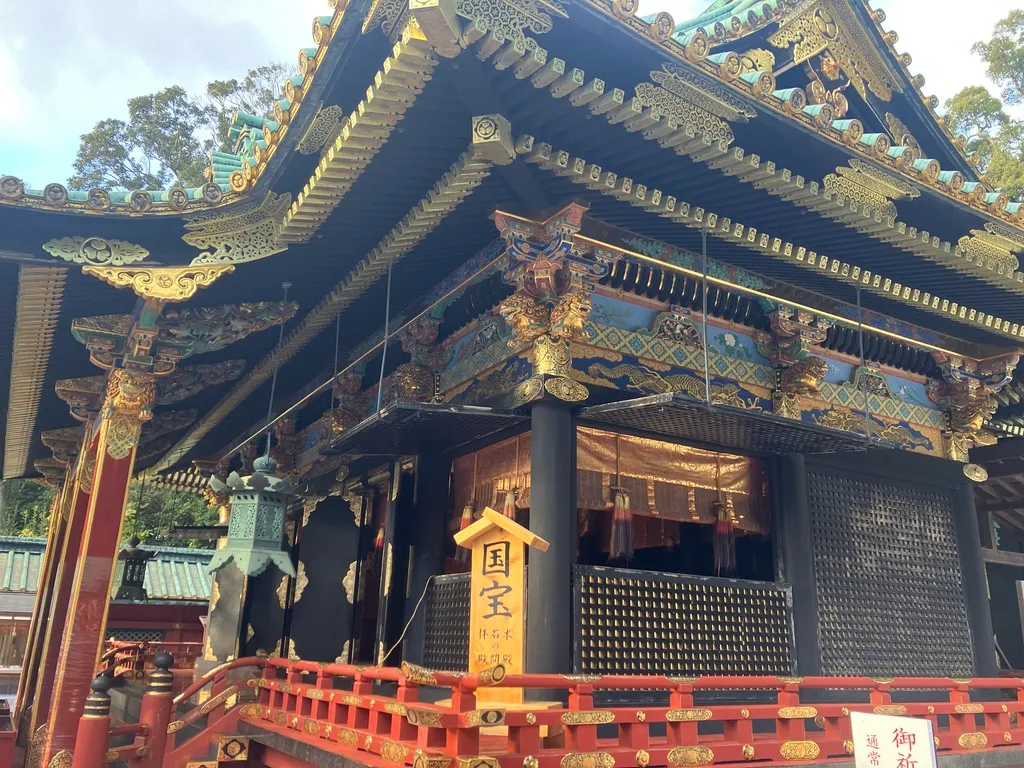
After visiting Nikko Toshogu Shrine, I wandered around here thinking, “Hmm, they kinda look similar, don’t they?”
Incidentally, the main hall of Kunozan Toshogu Shrine is designated a National Treasure. Just thinking that such an opulent structure remains preserved deep in the mountains—doesn’t that alone make you feel a little excited?
The Pilgrimage Experience Begins with Stone Steps
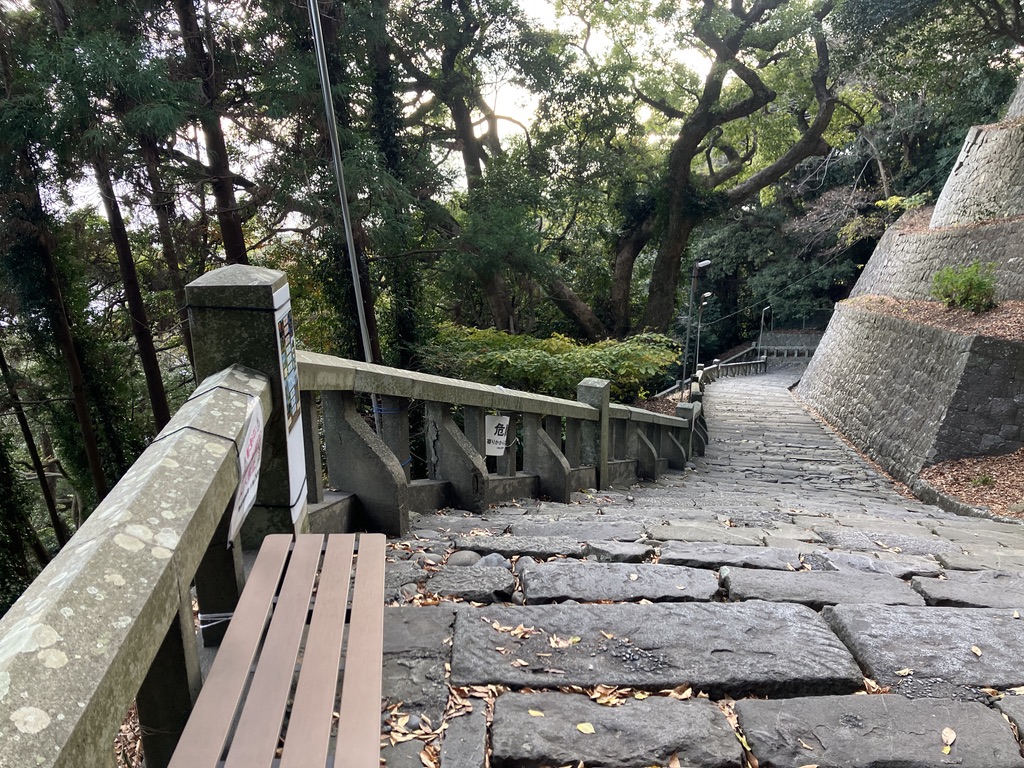
When you think of Kunozan Toshogu Shrine, it’s definitely the stone steps. The main approach, the stone steps, has a total of 1,159 steps.
To be honest, it’s pretty tough. I went in December. If it were summer, I’d be out of luck. As you climb each step, you feel yourself disconnecting from daily life. The time spent silently making your way up the mountain path surrounded by trees feels a bit like spiritual training.
Don’t worry, there are benches and landings along the way, so you can take breaks without pushing yourself too hard. The sense of accomplishment when you finally reach the top is truly immense.
For those less confident in their stamina or primarily here for sightseeing, I recommend taking the Nihondaira Ropeway. Since it takes you from the top down, you can enjoy the scenery and enter the shrine grounds relatively easily. I still haven’t ridden this ropeway yet😭
Guide to Highlights Within the Precincts
From here, we will introduce points of interest to see while walking through the precincts in order.
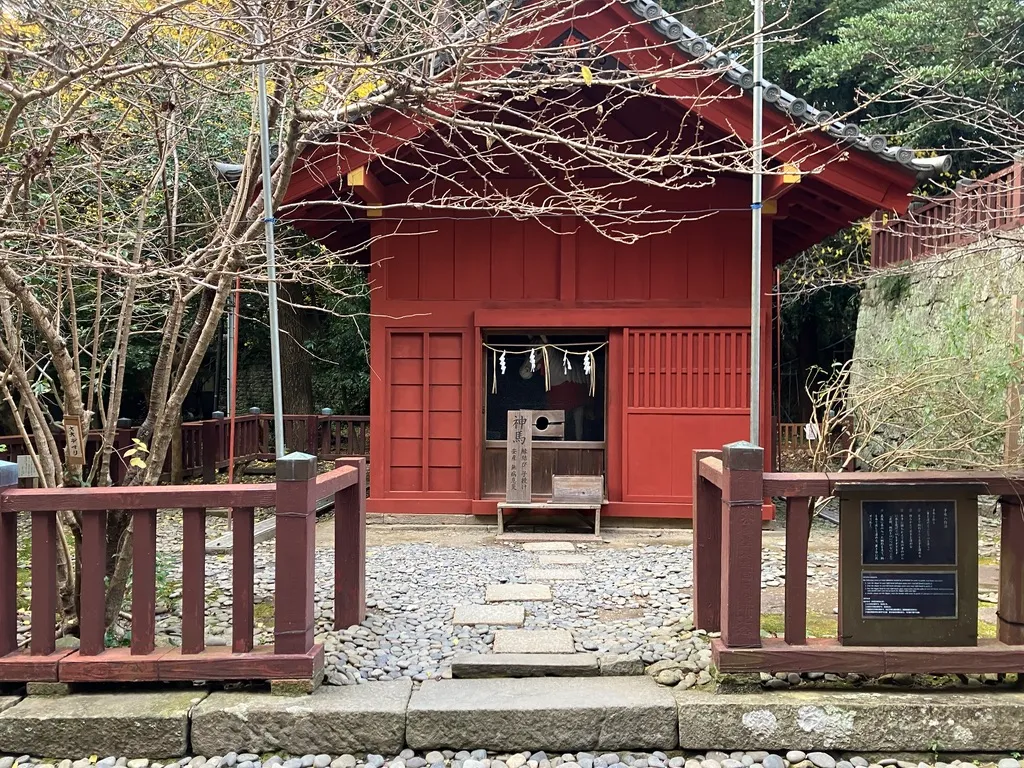
Divine Stable
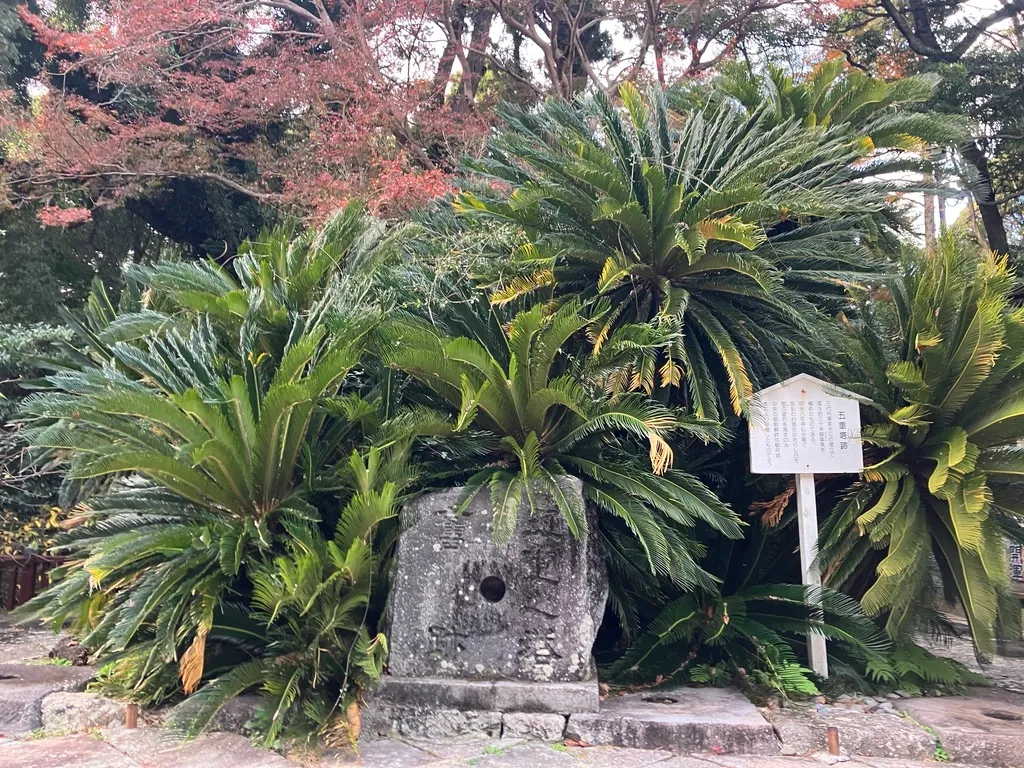
Ruins of the Five-storied Pagoda
Gate Tower
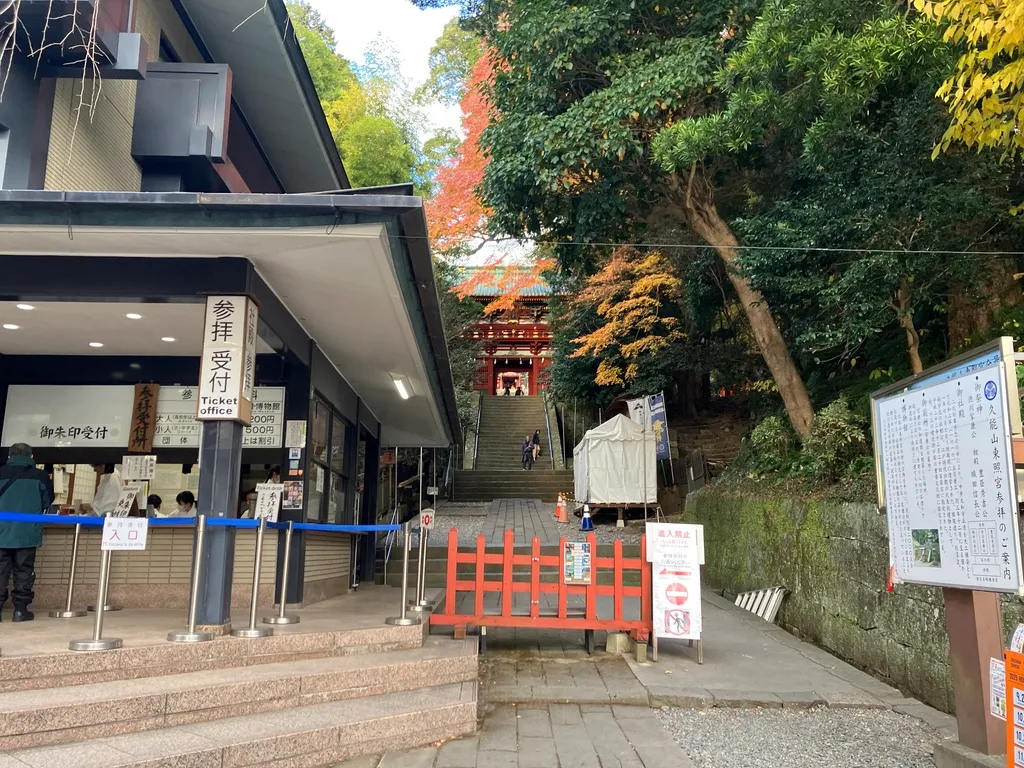
Upon entering the temple grounds, the first thing that catches your eye is the vivid vermilion gate tower. Its decorations are incredibly intricate, with meaning embedded in every single carving. We recommend pausing here to take a moment and look around. Rushing through would be a bit of a shame.
↓The gate tower is visible in the distance.
Worship Hall and Main Shrine
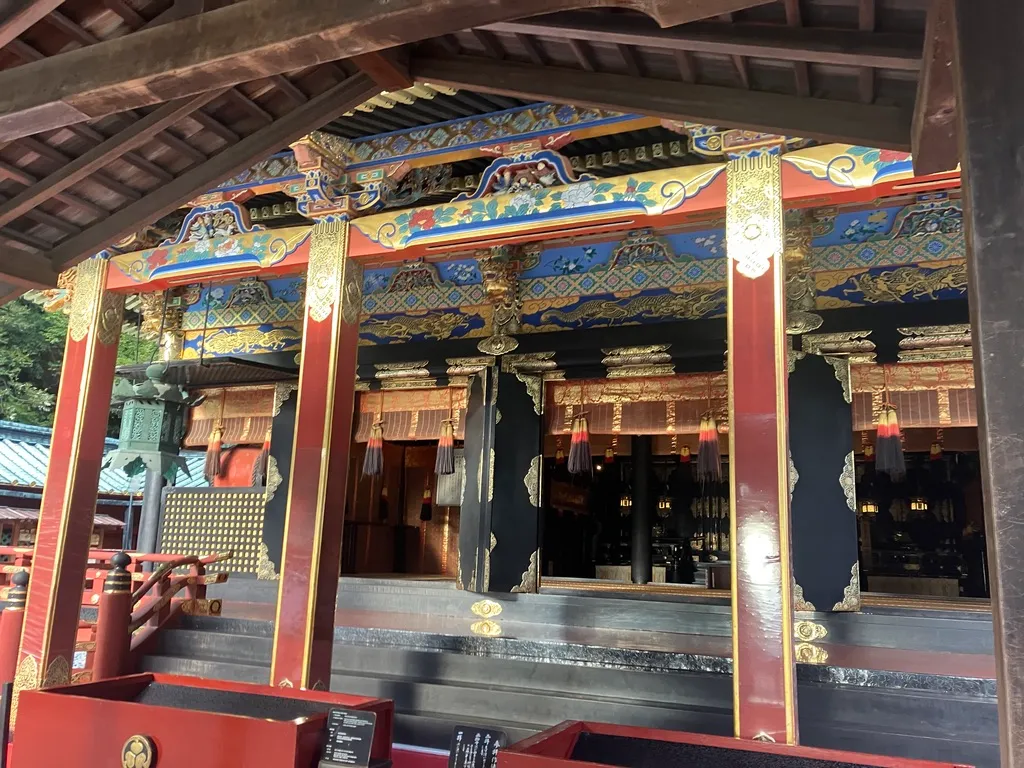
Passing through the gate tower, the Worship Hall and then the Main Shrine come into view. Lavishly adorned with gold leaf and vivid colors, their splendor seems almost out of place in the mountains. While smaller in scale compared to Nikko Toshogu Shrine, this makes it easier to observe the intricate details up close.
Observing the carvings and decorations, one strongly senses the aspect of the shrine as a symbol of power. The architecture itself conveys how Ieyasu was enshrined as an exceptionally special figure.
Shrine
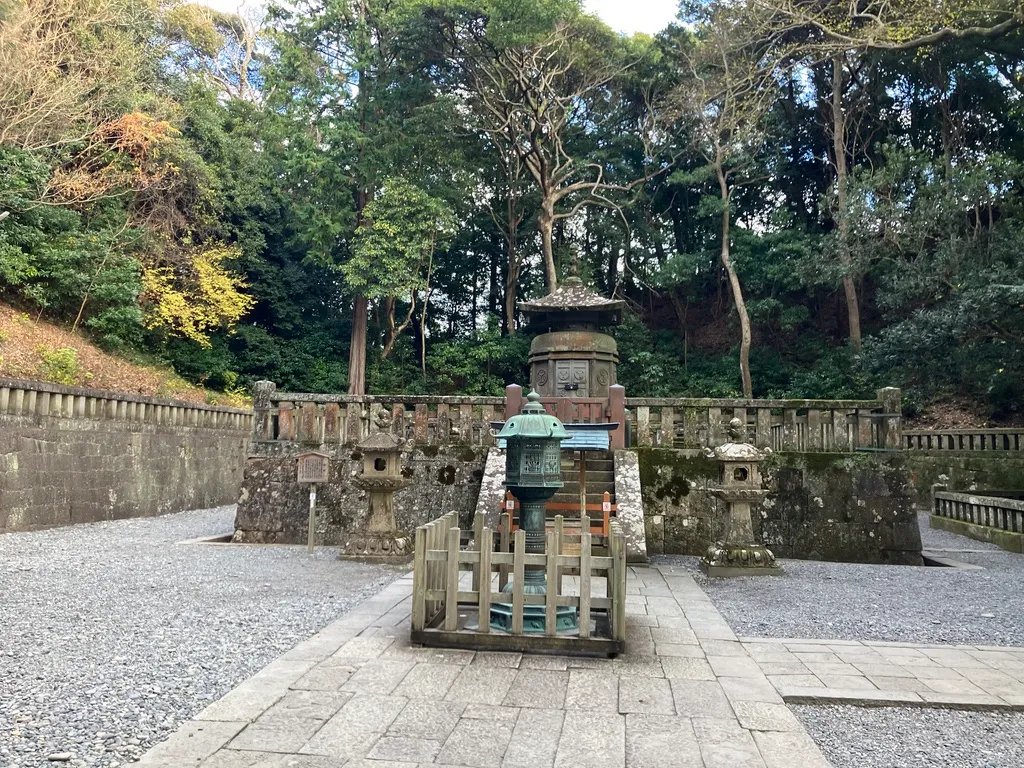
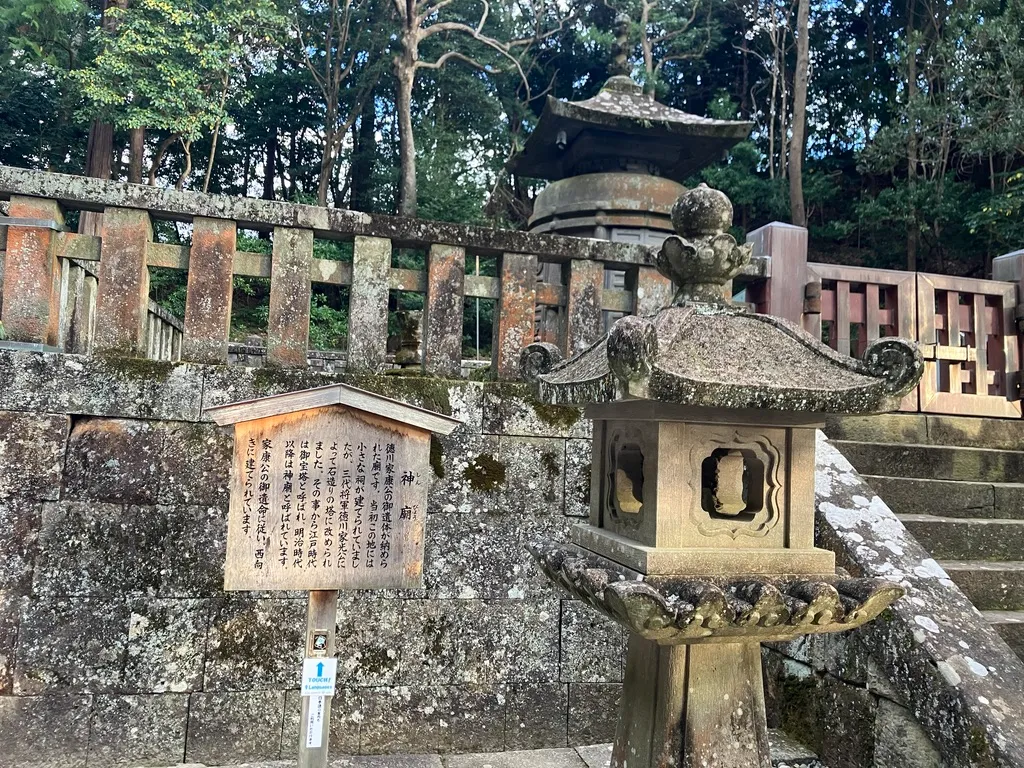
Proceeding beyond the main hall, you’ll find the shrine housing the tomb of Tokugawa Ieyasu. It features restrained ornamentation, creating an overall quiet and solemn atmosphere.
Standing here, the word “sacred site” feels more fitting than “tourist attraction.” Combined with the mountain air, it’s a place where you naturally stand tall.
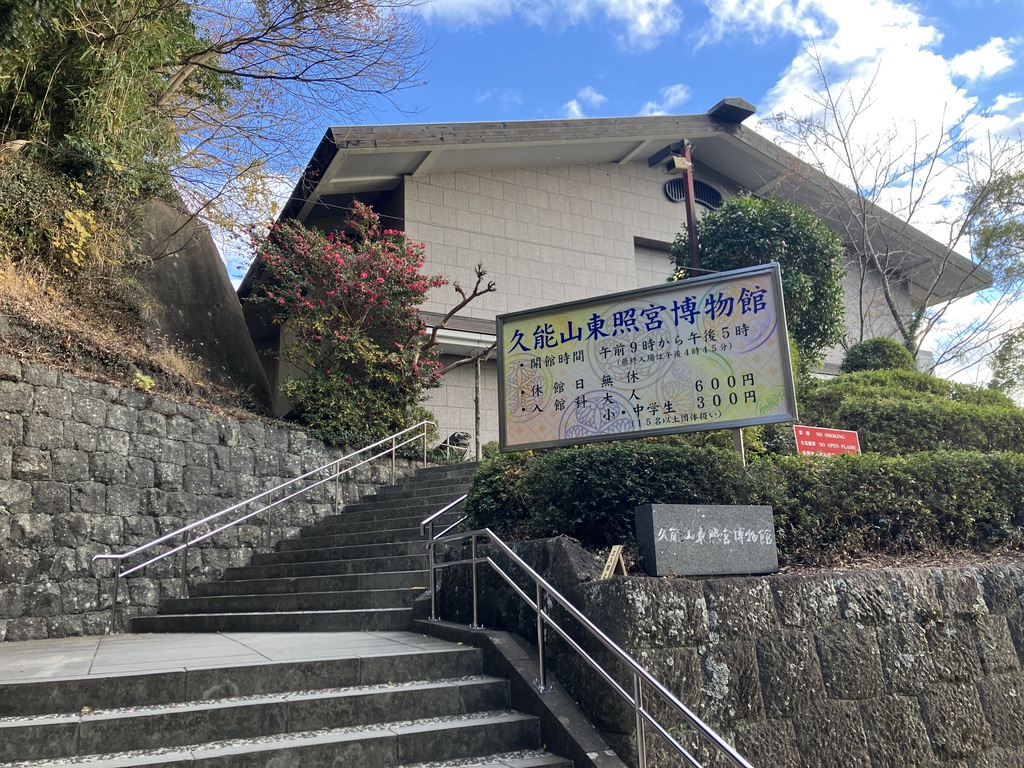
Museum (Kunozan Toshogu Museum)
Kunozan also has a museum attached. It displays items related to Tokugawa Ieyasu and materials concerning successive shoguns, so history buffs should find it quite enjoyable! …I didn’t go inside.
If you stop by after seeing the shrine buildings, you’ll likely gain a deeper understanding, thinking, “Ah, that’s why it’s built this way.” If you have time, definitely check it out.
Differences from Nikko Toshogu
Although both are called “Toshogu,” Kunozan Toshogu and Nikko Toshogu are quite different in character. The primary difference lies in their historical positioning. Kunozan Toshogu is where Tokugawa Ieyasu was first enshrined immediately after his death, serving as the “origin point.” Nikkō Tōshō-gū, on the other hand, is the completed form of Tōshō-gū, extensively renovated by the third shōgun, Iemitsu, to enshrine his grandfather Ieyasu as a greater figure.
Their scale and splendor also contrast sharply. Nikkō features numerous shrines spread across vast grounds, with overwhelming carvings and decorations. It possesses a theme park-like grandeur. In contrast, Kunozan, while modest in scale, offers a quiet, austere impression, partly due to its location nestled between mountains and sea.
Furthermore, Kunozan holds the actual burial site of Ieyasu. The tangible sense of “where he is enshrined” may be stronger at Kunozan. Nikko represents flamboyance, Kunozan the origin and tranquility. Visiting both reveals the depth and complexity of the Toshogu complex.
In Closing
Kunozan Toshogu Shrine might sound a bit formal when described as “historically significant,” but visiting it in person reveals it’s surprisingly enjoyable in an intuitive way. The steep stone steps, the splendor of the shrine buildings, the quietude of the mausoleum, and the view overlooking the sea—all combine to create an experience found nowhere else.
Whether you’ve visited Shizuoka before or have passed by many times, take the time to explore it properly. You’ll surely feel, “Ah, this place is truly special.”
Gundam Plastic Models
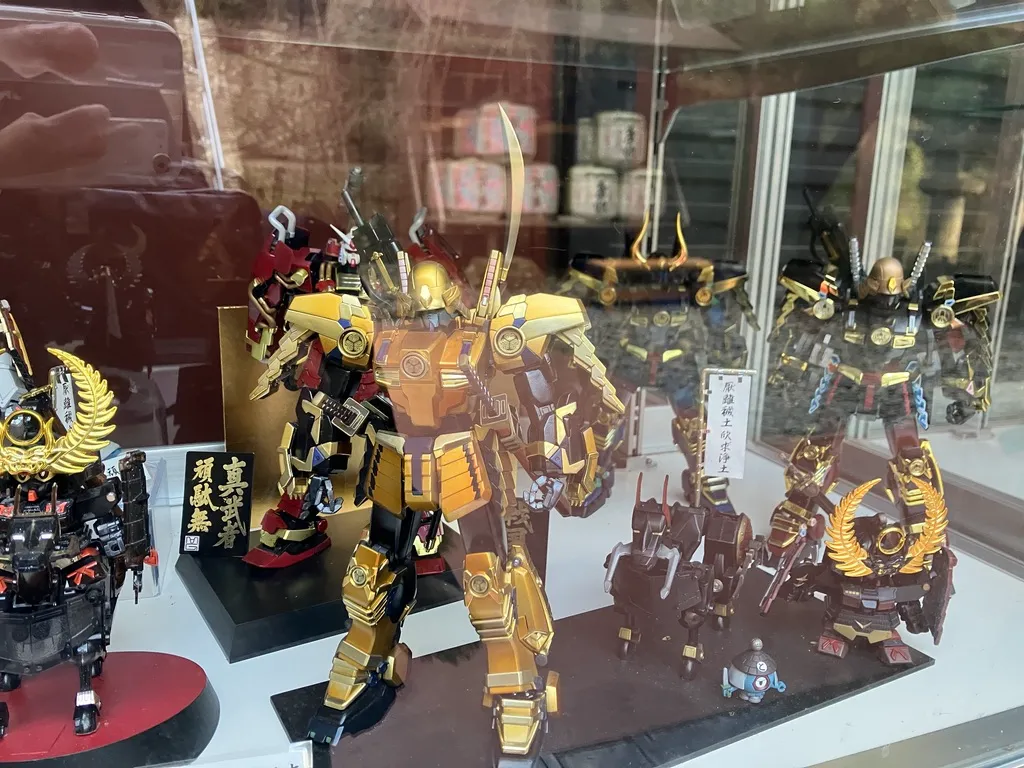
Just a quick aside—as a bonus tidbit, there’s a Gundam plastic model of Ieyasu on display!
Since Shizuoka is famous for plastic models, you can see an incredibly cool Gundam Ieyasu version. It’s set up just before you ascend to the main hall.
Author of this article
関連記事
-
 Asahina Ryusei Insect Museum
 -
【Extra】Koizumi Yakumo Memorial Museum
-
【Extra】A Journey Through Nikko and Utsunomiya
-
Fujieda Daikannon
-
Fujieda-Tono District Cosmos Fields ~A Gentle Scene Swaying in the Autumn Breeze~
-
【Extra】Tanuma Okitsugu and the Tanuma Highway—The Reformist Prime Minister with Ties to Fujieda
-
I visited the Fujieda City Local History Museum and Literary Museum. A world of history, literature, and a touch of nostalgic Showa retro charm.
-
Kompira Mountain