
This article was created using a translator. There may be expressions that are difficult to understand. If you have any questions, please check by yourself.
Please consult us about anything related to Fujieda City.
CONTACTWhen you think of Tokugawa Ieyasu, you think of Nikko. When you think of Nikko, you think of Toshogu Shrine. That much is certain.
Initially, I thought just visiting Toshogu would suffice for this trip to Nikko. But once I started walking around, I realized, “Ah, it would be a shame to see only Toshogu and head back.” Well, I suppose that’s obvious to Nikko fans, haha.
While keeping Nikkō Tōshō-gū as the main focus, I’d like to introduce the nearby Nikkō Futarasan Shrine, the slightly quieter atmosphere of Rinnōji Daio-in (Tera-hyō), and then shift the stage to Utsunomiya to cover Utsunomiya Futarasan Shrine and the Utsunomiya Castle Ruins.
By the way, this was my first time in Nikkō, so please forgive any gaps in my knowledge—it’s all part of the charm!
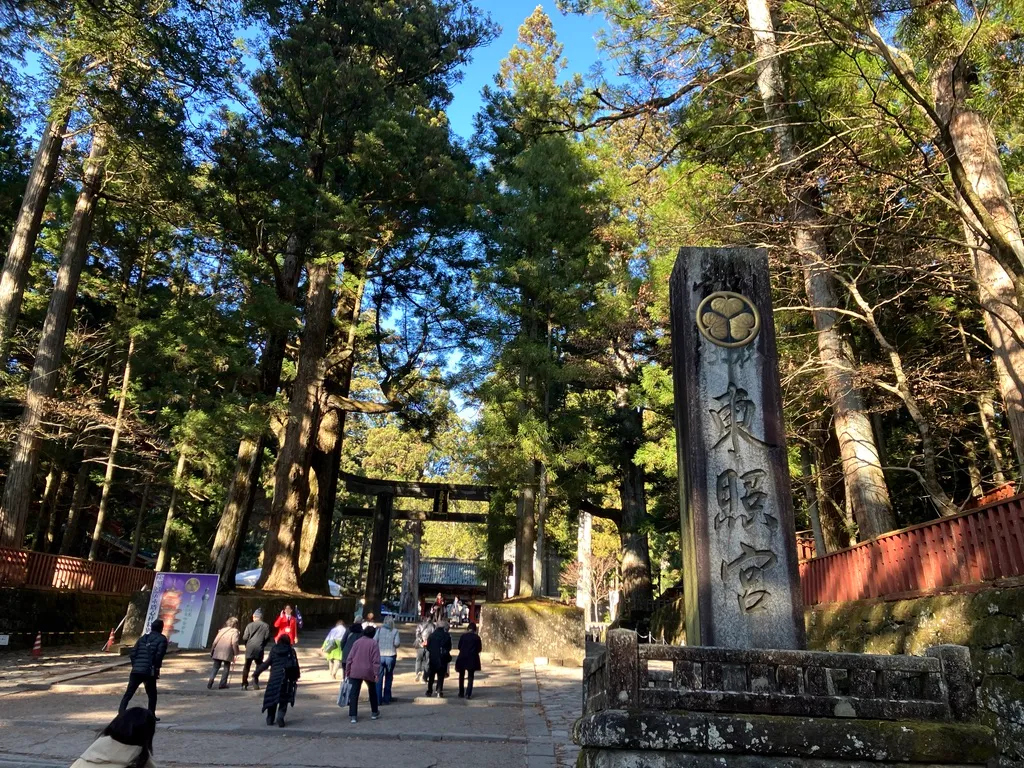
Nikkō Tōshō-gū Shrine
Nikkō Tōshō-gū Shrine. My first time here.
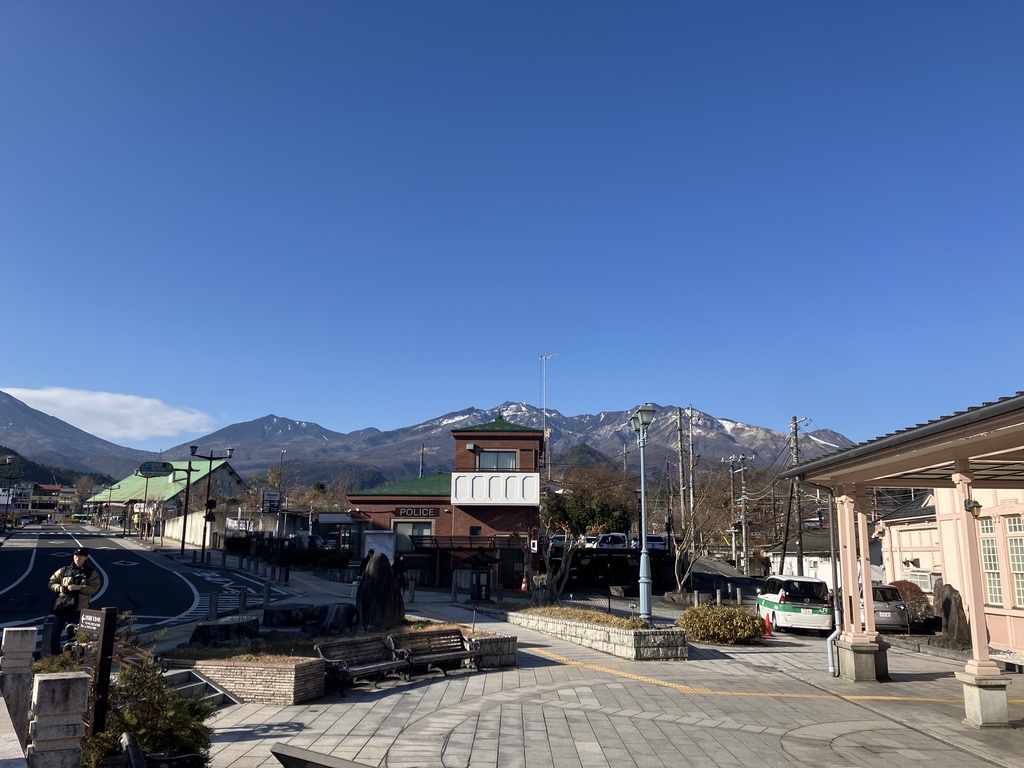
Honestly, even before arriving at Tōshō-gū, there were so many highlights along the way that I already knew it wouldn’t be just about the shrine itself. I got off at JR Nikkō Station, and just seeing the scenery outside got me so excited!
What exactly is Tōshōgū?
Nikkō Tōshōgū is a shrine enshrining Tokugawa Ieyasu as a deity. Ieyasu died in 1616 and was initially buried at Kunōzan Tōshōgū in Shizuoka. Later, following his will, his remains were reinterred in Nikkō, establishing this place as the “sacred site of the Tokugawa.”
Its present form was established by the third shogun, Tokugawa Iemitsu. During the “Great Reconstruction of Kan’ei” in 1636, it was meticulously crafted by gathering the finest craftsmanship and resources from across the nation.
In short,
That’s what it is.
Yomeimon Gate|The gate that makes you want to stay longer the more you look at it
Many people say that when it comes to the symbol of Toshogu Shrine, it’s definitely the Yomeimon Gate! No wonder everyone was taking pictures.
They say it’s the kind of thing you could look at all day until sunset, which is why it’s sometimes called the “Sunset Gate.” …Honestly, that’s a bit of an exaggeration, lol.

The Three Monkeys and the Sleeping Cat|Cute, but they carry real meaning
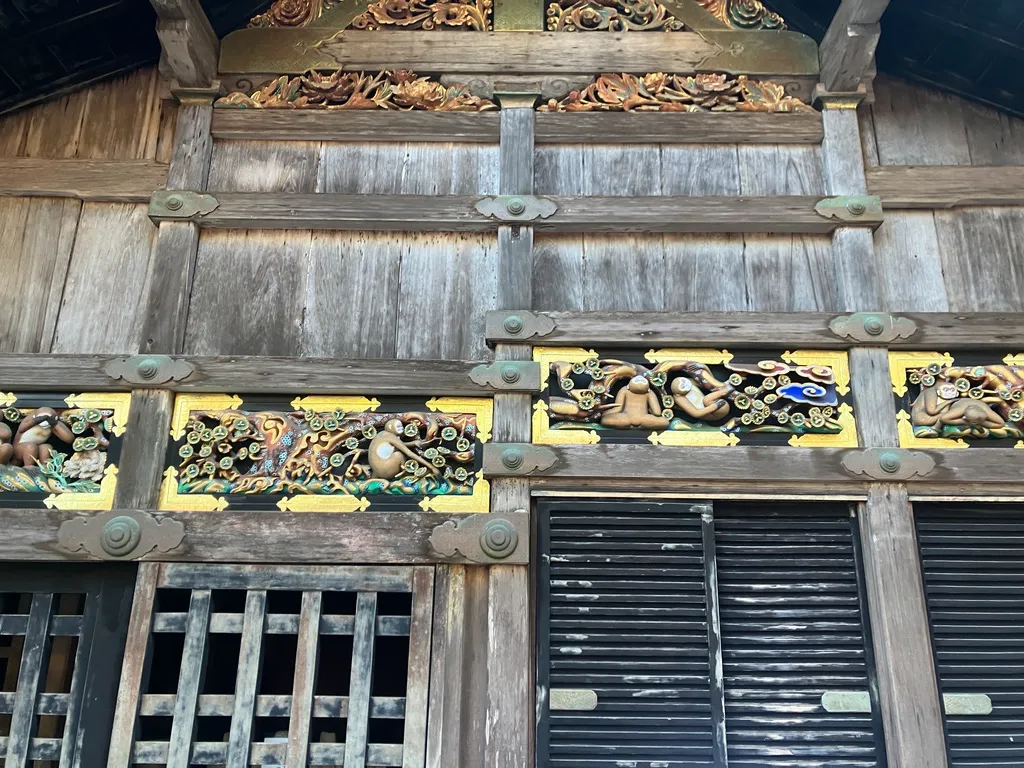
These are also incredibly famous: the Three Monkeys (see no evil, speak no evil, hear no evil) and the Sleeping Cat.
The Three Monkeys (see no evil, speak no evil, hear no evil) represent a life lesson symbolizing a person’s entire life. Interestingly, the Three Monkeys can apparently be found in Egypt and Angkor Wat too. I’ve been to Angkor Wat, but I wonder if they were there…
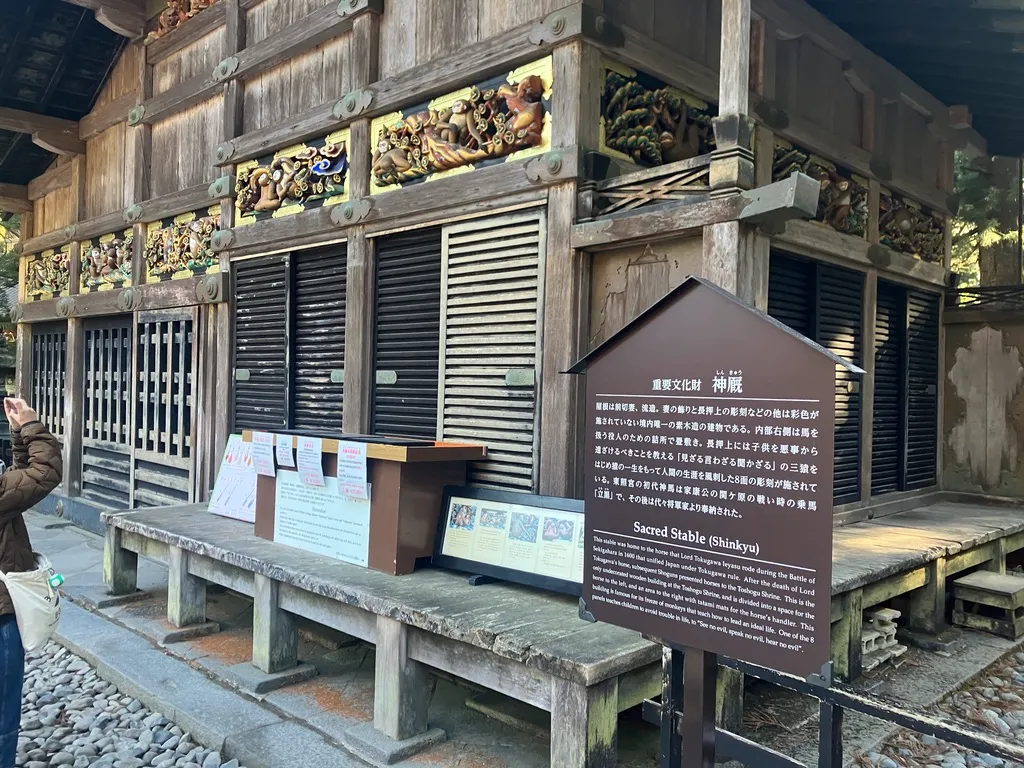
The Three Monkeys are actually located at a certain shrine stable before you even enter the Yomeimon Gate~
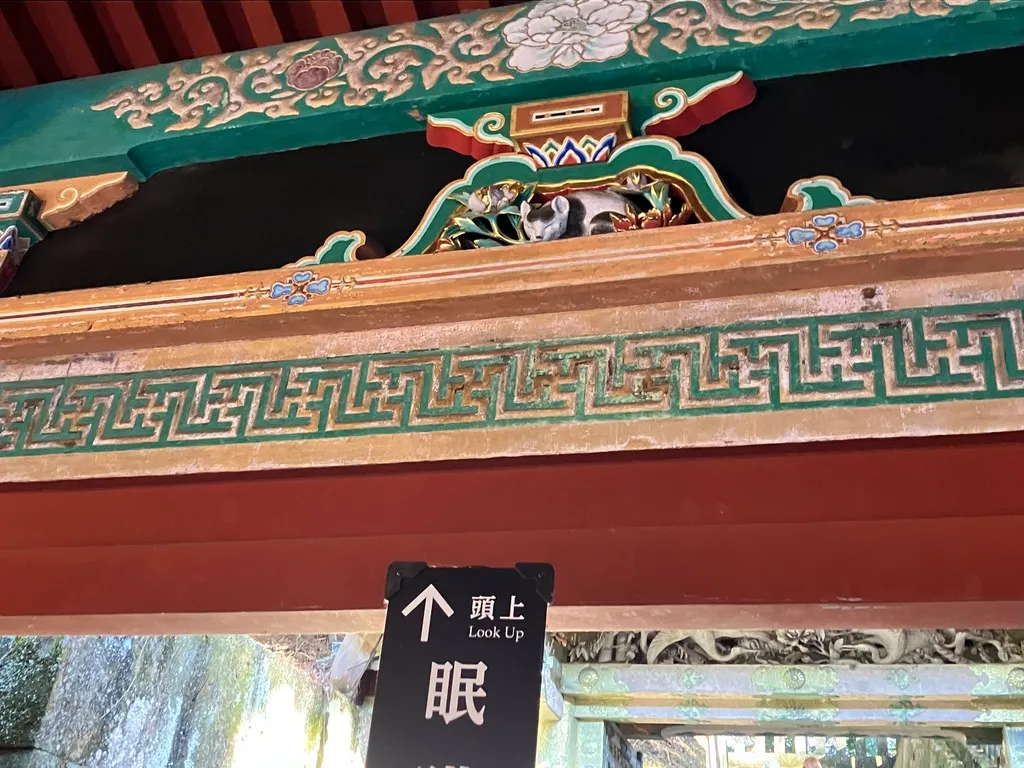
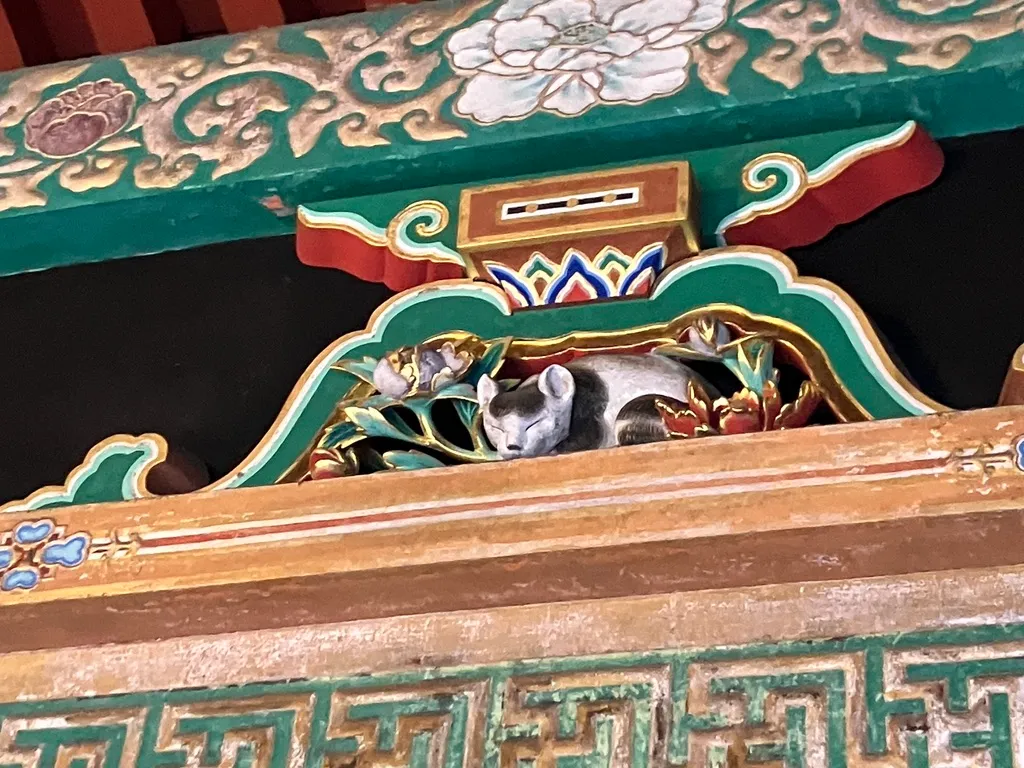
The Sleeping Cat is carved on a beam leading to the inner shrine in the east corridor. Since the inner shrine is where Ieyasu rests, perhaps it’s guarding him.
It seems there’s a story that this Sleeping Cat was created by a man named Shingorō.
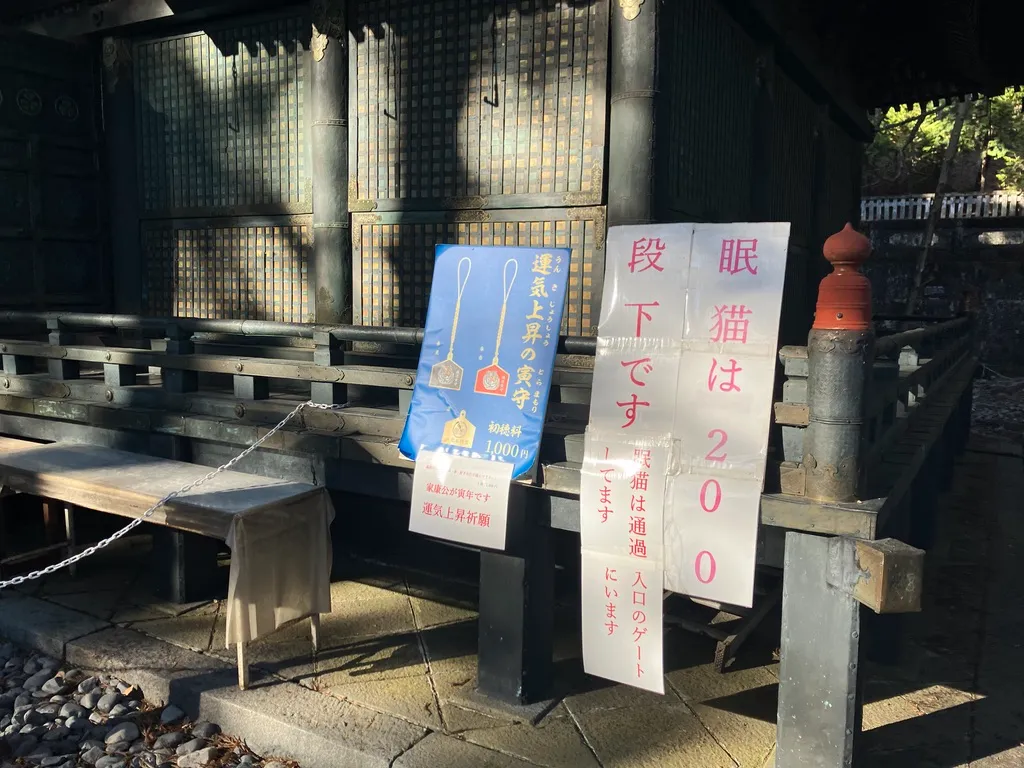
A sign clearly reads “Sleeping Cat.” It’s surprisingly small, so people probably overlook it.
Outer Shrine Pagoda
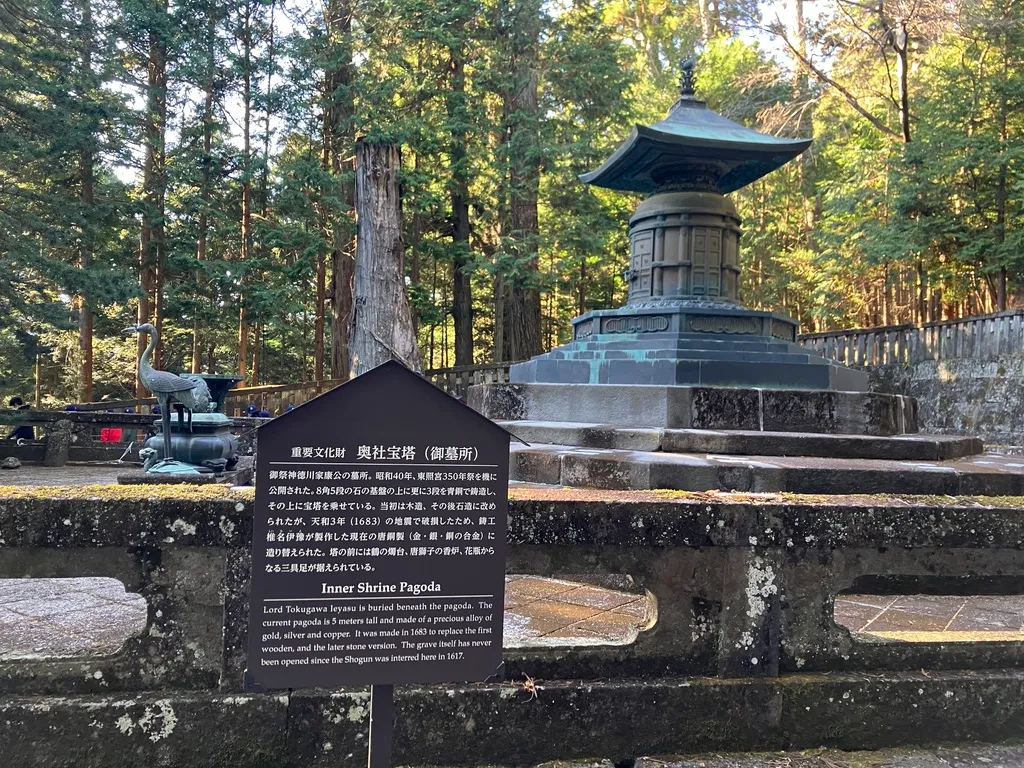
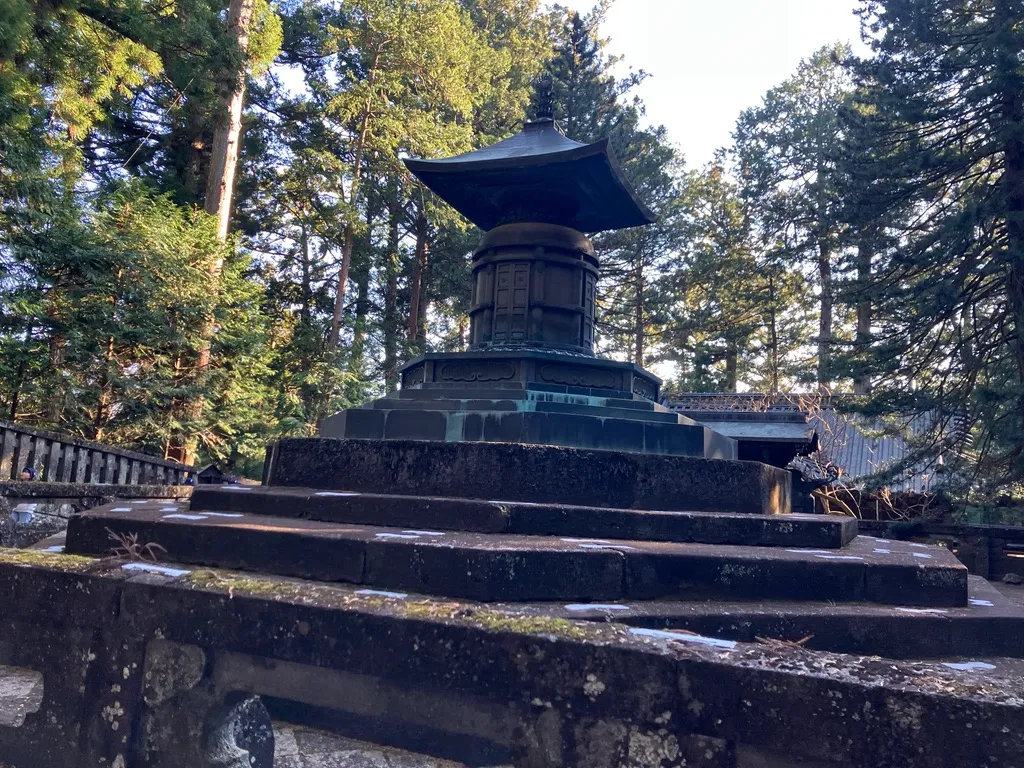
The Outer Shrine Pagoda is, needless to say, the tomb where Lord Tokugawa Ieyasu rests. Located beyond the Sleeping Cat statue at the very back of Nikko Toshogu Shrine, it’s essentially the “end point.” Reaching it after climbing the stone steps leaves you breathless, giving it a strong sense of being “a place only those who made it this far get to see.” But the stairs are pretty tough, lol. Along the way, there’s a sign saying, “You’ve passed the Sleeping Cat statue~.”
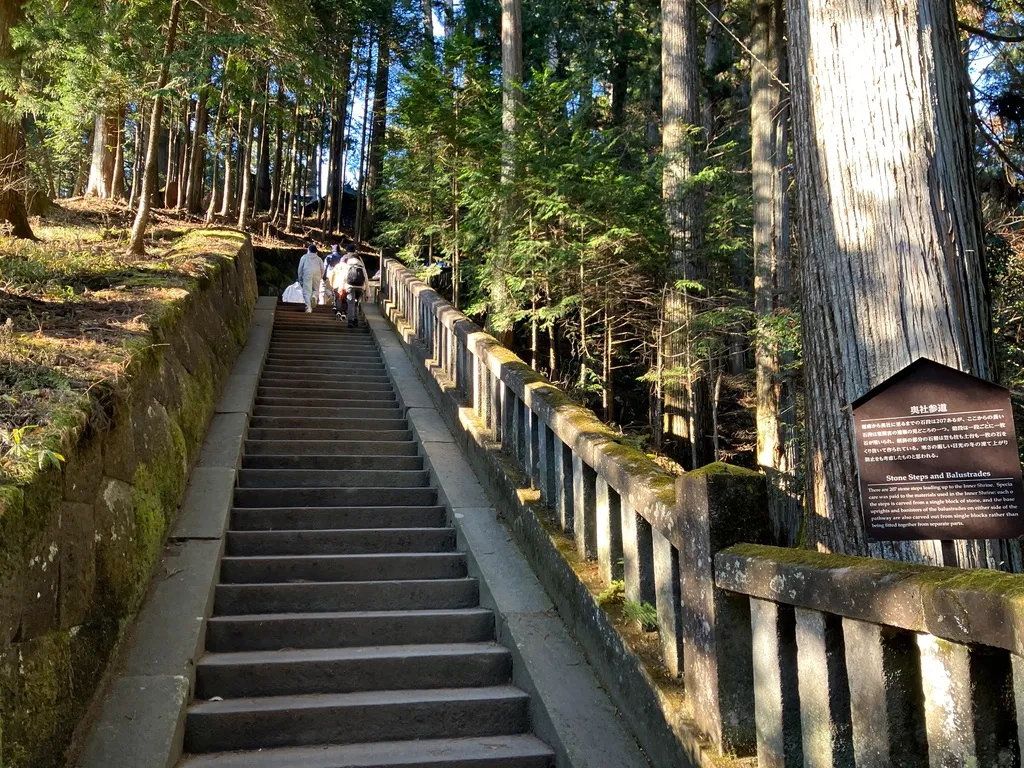
Beneath this tomb lies the remains of Tokugawa Ieyasu, and the atmosphere here feels distinctly different from the rest of Toshogu. It lacks the flashiness around the Yomeimon Gate, being quite simple overall. Yet, precisely because of that, it feels quiet and weighty. The atmosphere is almost eerie.
Surrounded by forest on all sides, it feels less like a place “enshrined” and more like one that is “guarded.” Honestly, it completely resets your tourist mindset here, haha. This was the place I most wanted to visit at Tōshō-gū.
Yakushido Hall (The Crying Dragon)
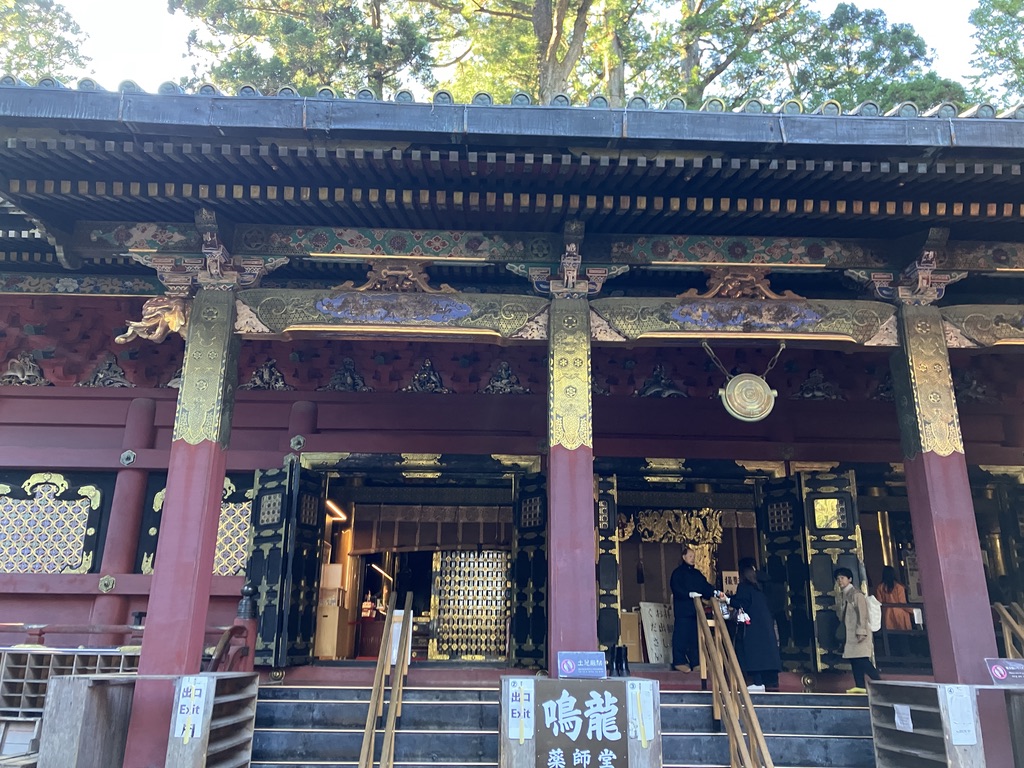
Yakushido Hall might seem a bit understated among the buildings at Nikko Toshogu Shrine, but it’s actually quite memorable. Its famous feature is the “Crying Dragon.” If you clap wooden clappers beneath the dragon painted on the ceiling, the sound echoes back, making it sound like the dragon is crying. Even if you understand the science behind it, experiencing it firsthand gives you a slightly strange feeling.
Photography inside is prohibited, so I couldn’t take pictures, but striking the wood at the exact spot really did make a “woof woof” echo. …Woof woof? Like a dog? Haha
I wasn’t particularly focused on this place at first either. But then a group of elementary school kids, probably on a school trip, entered led by their teacher, so I followed them in. Result… Spot on!
The building itself is relatively understated. After seeing the glittering main halls of Toshogu Shrine, it felt refreshingly calming. Originally a hall enshrining the Medicine Buddha, it seems to have also gathered faith for healing illnesses.
Inverted Column
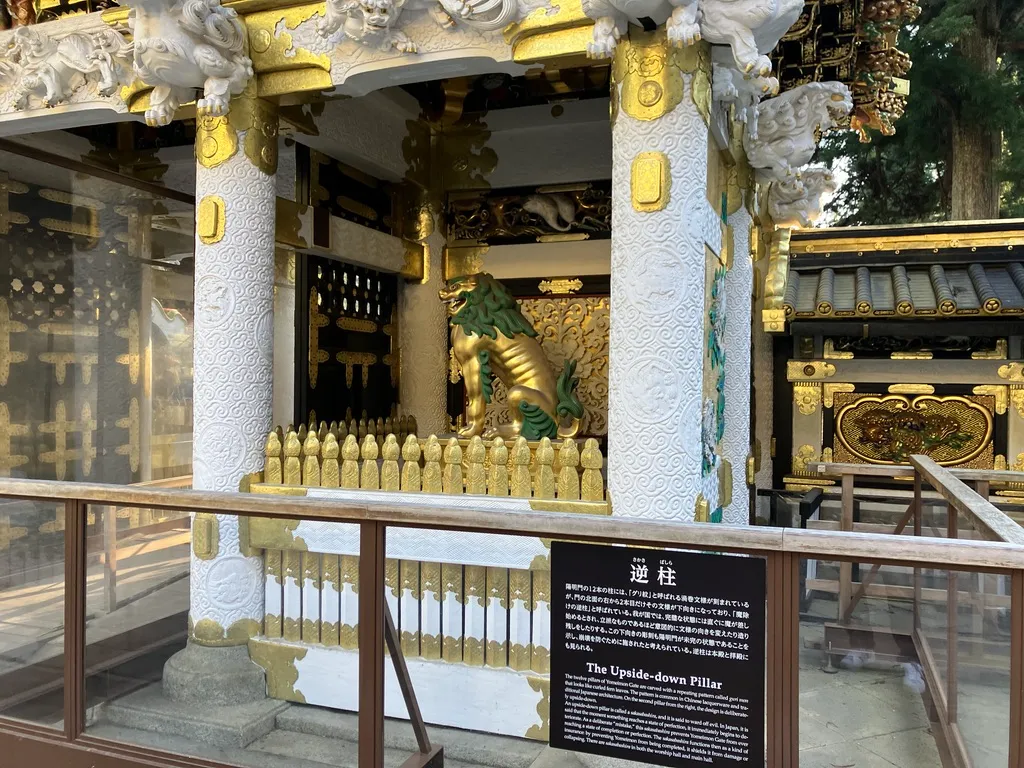
The inverted column is a point where people either notice it and think, “Huh, this one?” when looking up at the back of the Yomeimon Gate at Nikko Toshogu Shrine, or completely miss it. Among the twelve columns, only one has its carvings inverted upside down, deliberately left unfinished.
There’s an explanatory sign, so I understood after taking a photo and looking at it later. I didn’t notice it on the spot.
Various reasons are suggested, but one theory is that it embodies the idea that “completion marks the beginning of decline.” By deliberately leaving it imperfect, it expresses a wish for the continued prosperity of the Tokugawa shogunate. Hearing this, you realize it’s not just a decorative mistake.
Another theory suggests it carries the meaning of “warding off evil spirits.”
Once you know to look for it, you think, “Oh, really?” It’s that subtle. Yet, that very restraint paradoxically evokes the profound depth characteristic of Tōshō-gū.
Can you see it in the photo below? ↓
Comparing Kunozan Toshogu Shrine|Same Ieyasu, Yet a Completely Different Atmosphere
Let’s briefly touch on Kunozan Toshogu Shrine.
Kuno-zan in Shizuoka is where Ieyasu was first laid to rest. Perched atop a mountain overlooking the sea, the air there is profoundly quiet.
Kuno-zan is a magnificent site, closely tied to Ieyasu’s personal faith, yet some say it feels restrained in a way.
Now, what about Nikko Toshogu? It radiates a splendor that seems to declare, “This is the Tokugawa shogunate!”
Nikkō Futarasan Shrine|This was a sacred site even before Tōshōgū arrived
Nikkō Futarasan Shrine sits right next to Tōshōgū. Honestly, some people might just breeze right past it.
But in fact, it’s the oldest shrine in Nikkō. It seems to have over 1,200 years of history. Without it, you can’t truly talk about Tōshōgū.
It seems to have been a center of mountain worship, enshrining Mount Nantai, Mount Nyoho, and Mount Tarō as deities. In stark contrast to Tōshō-gū’s splendor, here the forest and tranquility take center stage.
It’s called Nikko Futarasan Shrine, and there’s a theory that the name “Nikko” (日光) originated from the on’yomi reading ‘Niko’ of “Futarasan.” That alone shows how important this shrine is.
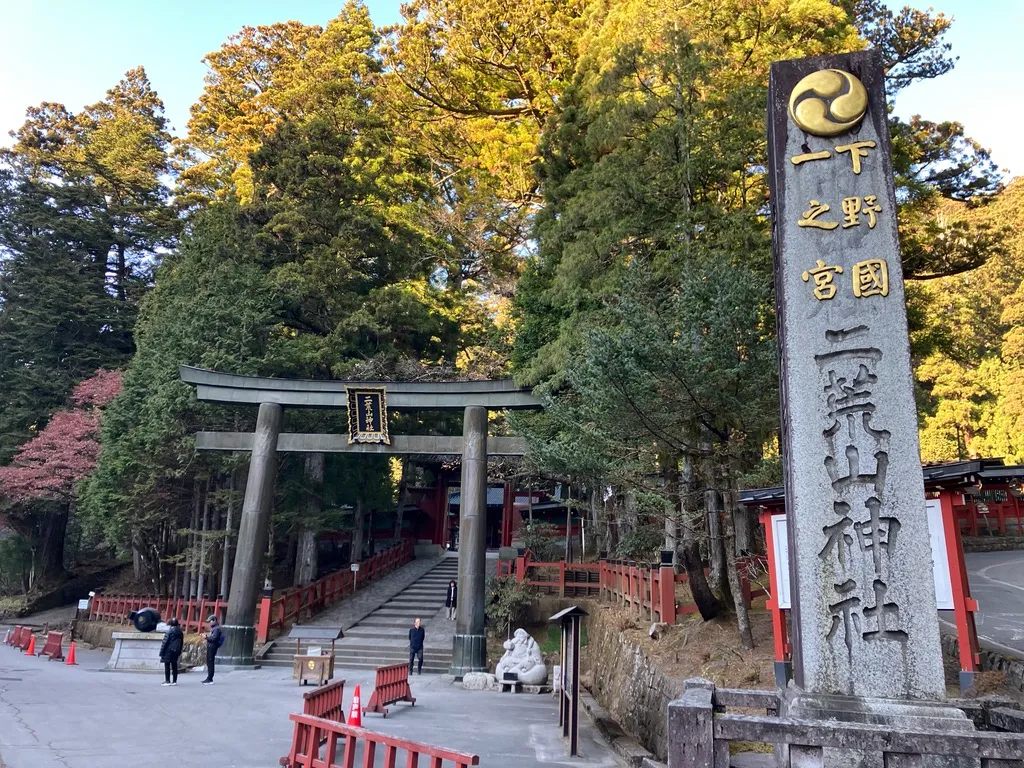
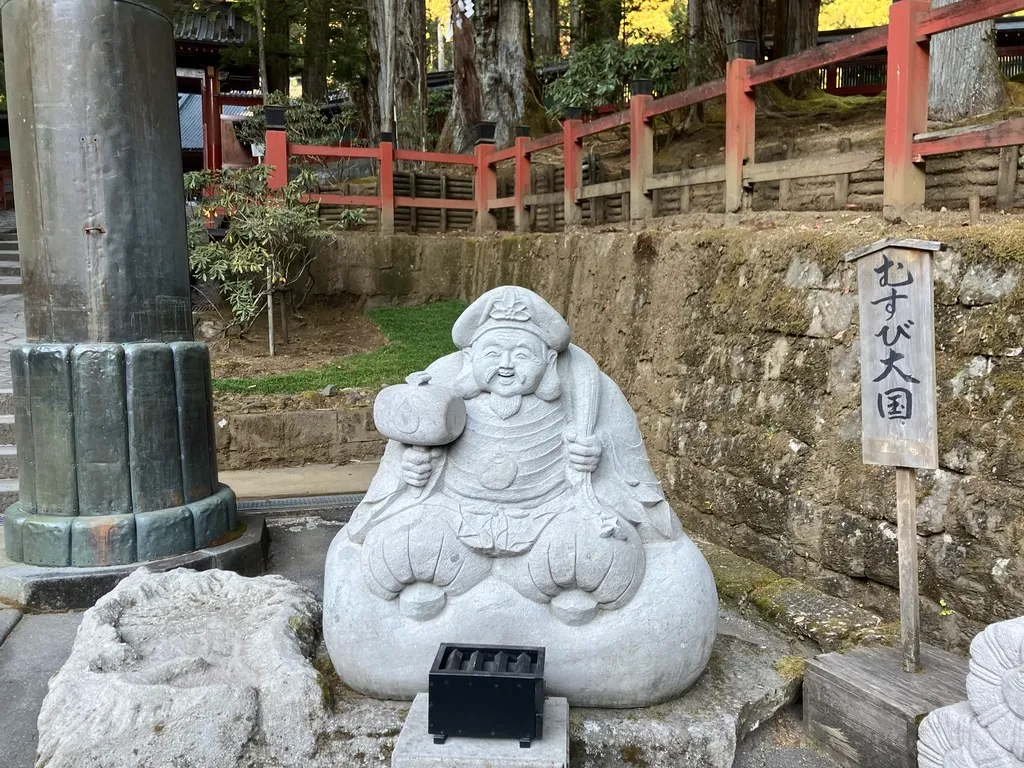
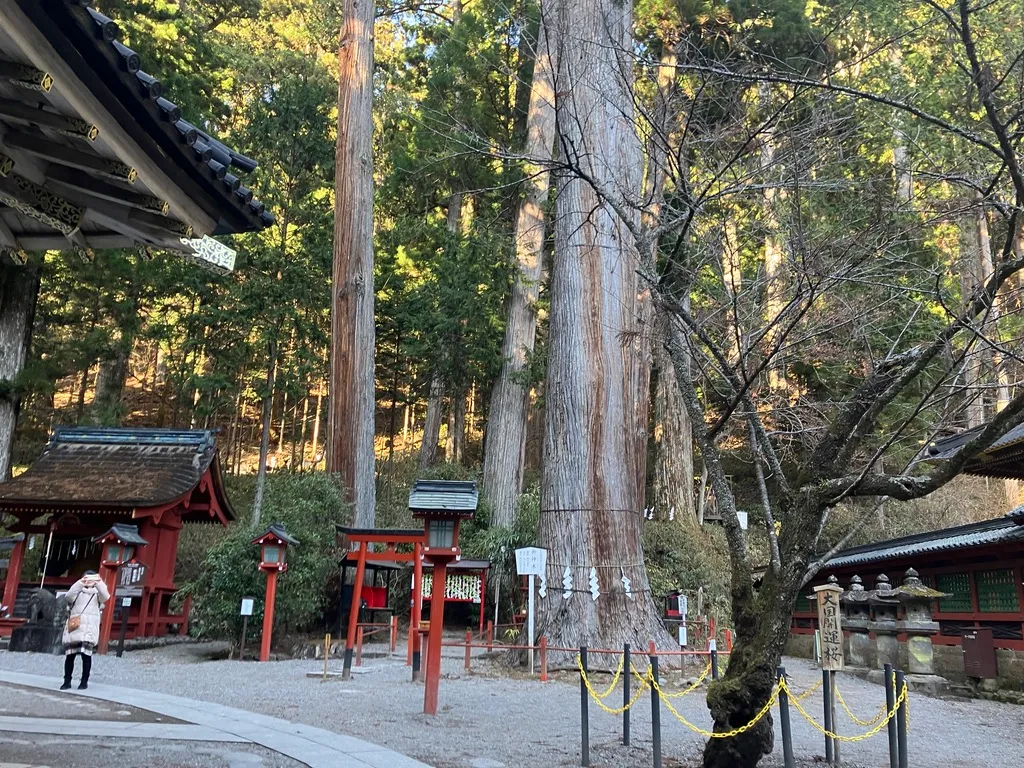
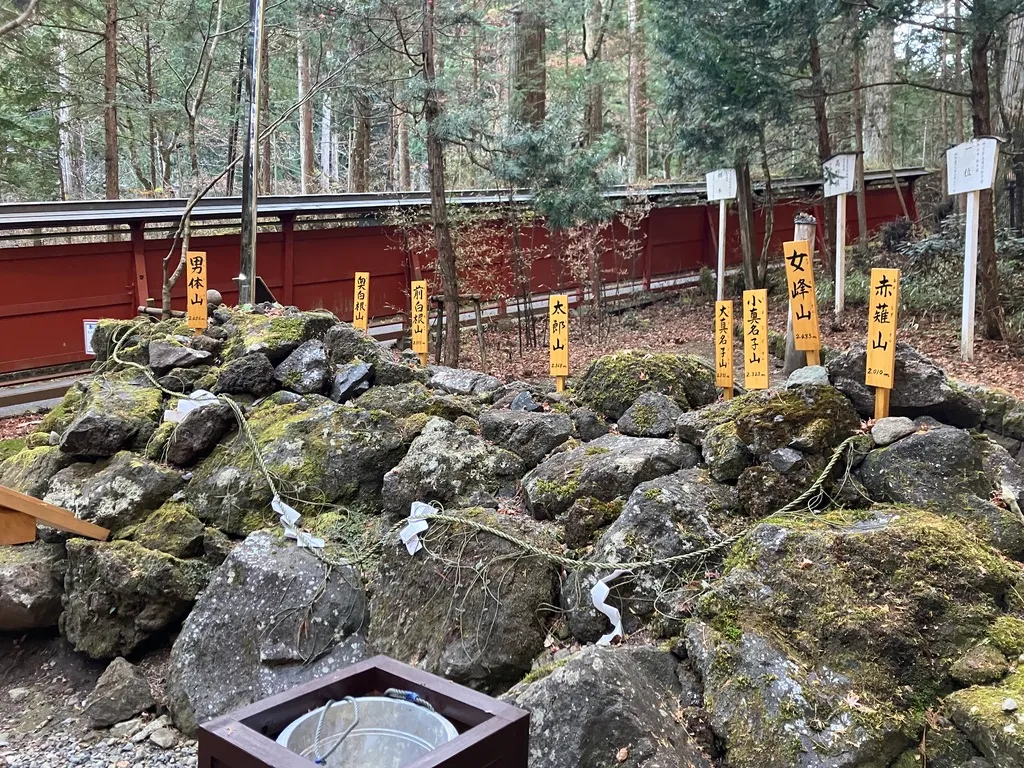
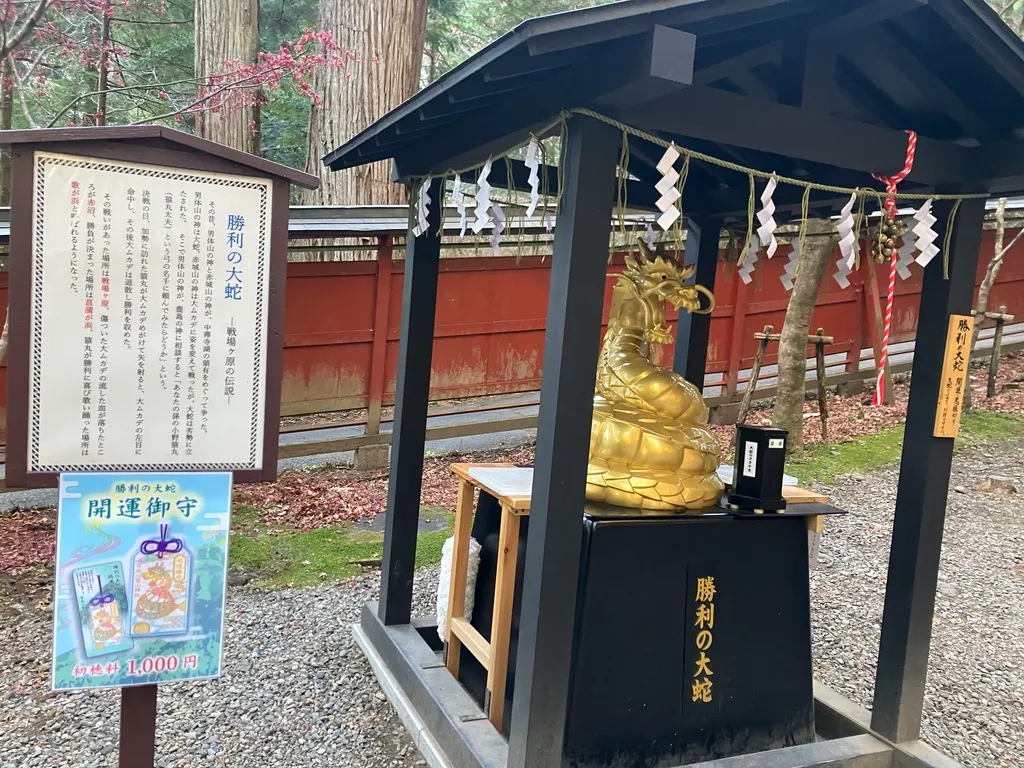
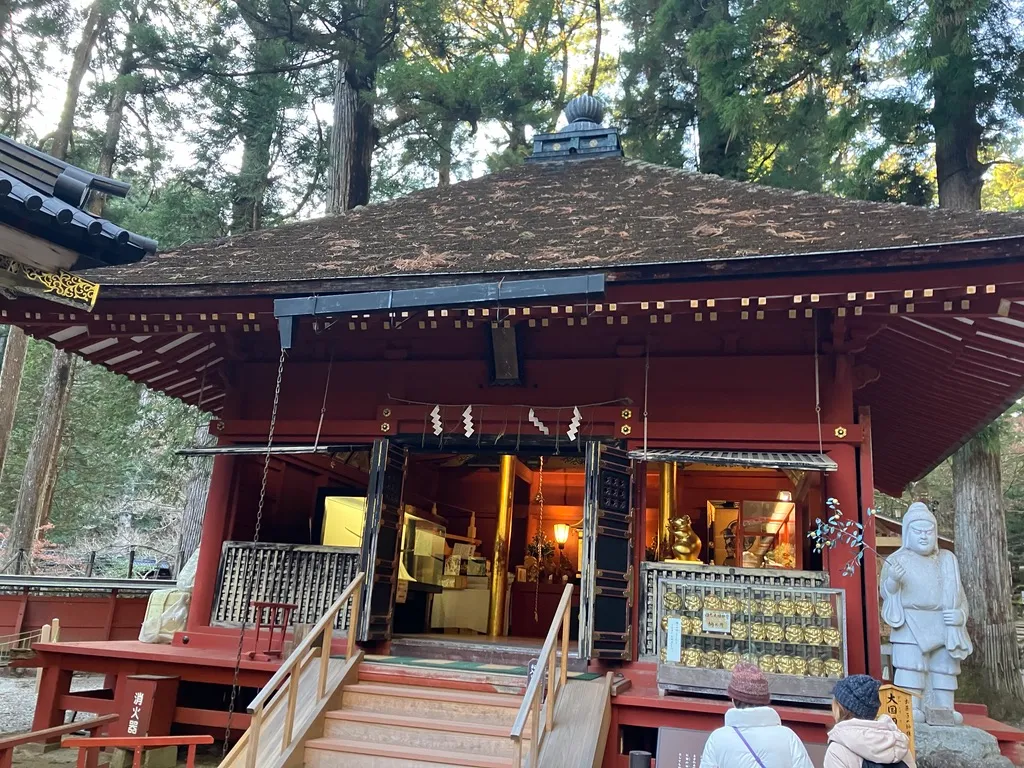
Various deities were enshrined within the temple grounds. It seems to be famous for matchmaking as well.
Rinnoji Daioin (Temple Sign) | The Deliberate Modesty Chosen by Iemitsu
Daioin is the tomb of the third shogun, Tokugawa Iemitsu. I didn’t know that~💦
It is said that Iemitsu, believing he “must not surpass Ieyasu,” chose a design that was deliberately more subdued than Toshogu Shrine.
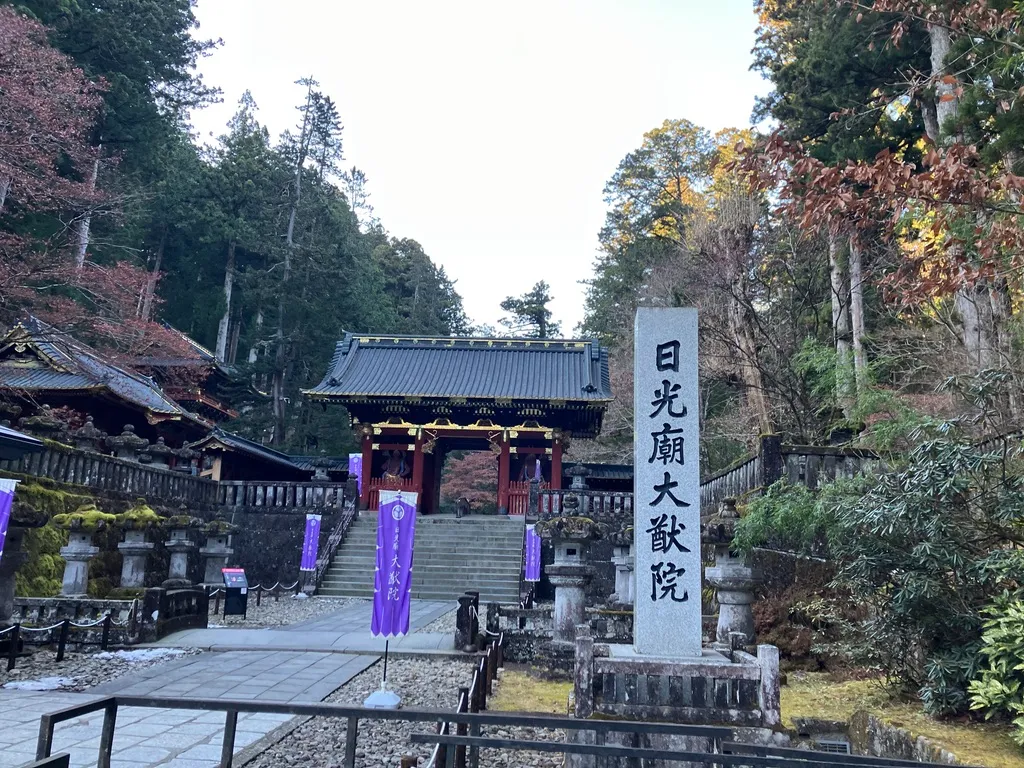
It’s not flashy. But it’s quiet, orderly, and makes you stand up straight.
No, it’s plenty impressive, lol. But somehow, there really are fewer tourists than at Tōshōgū.
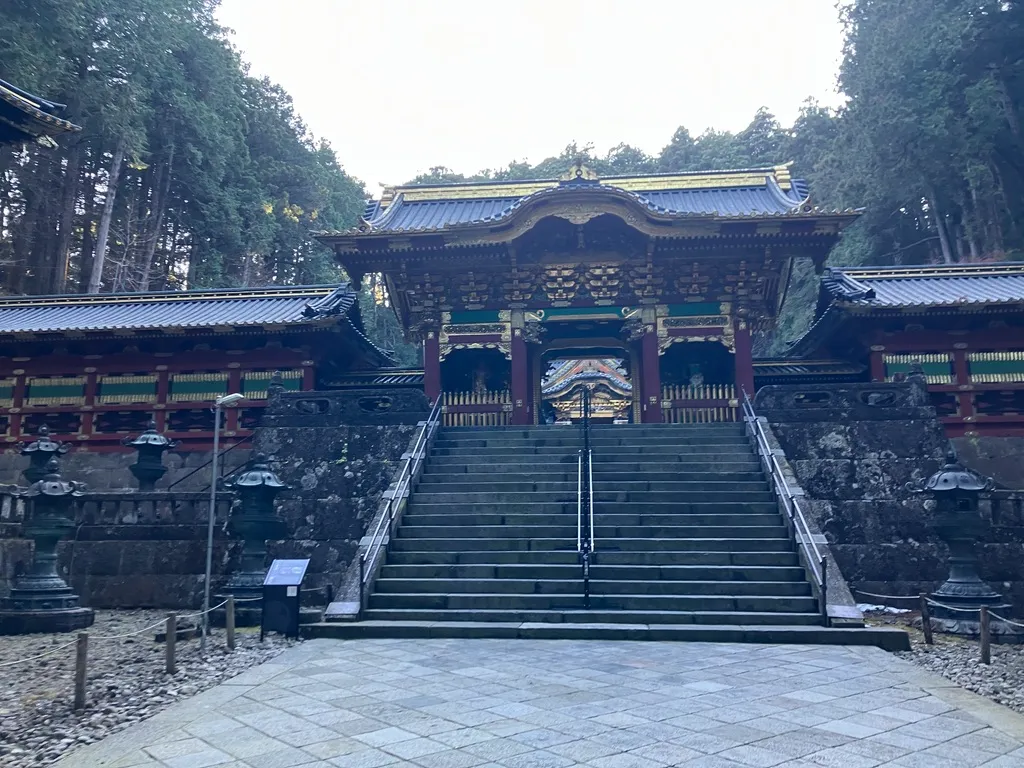
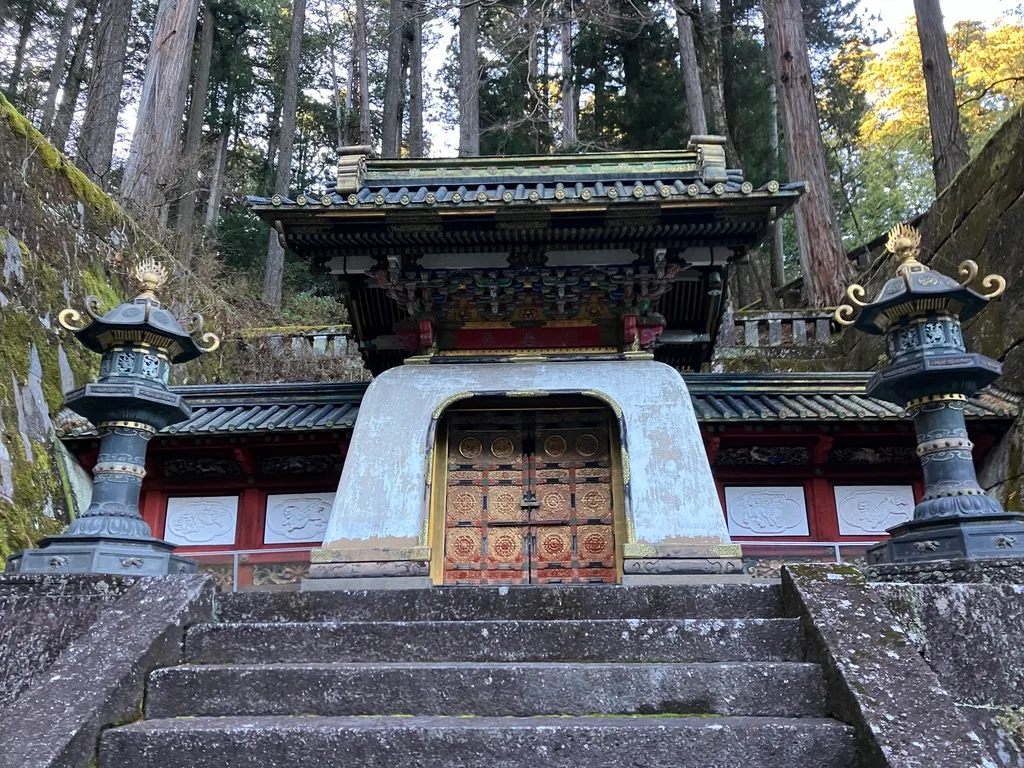
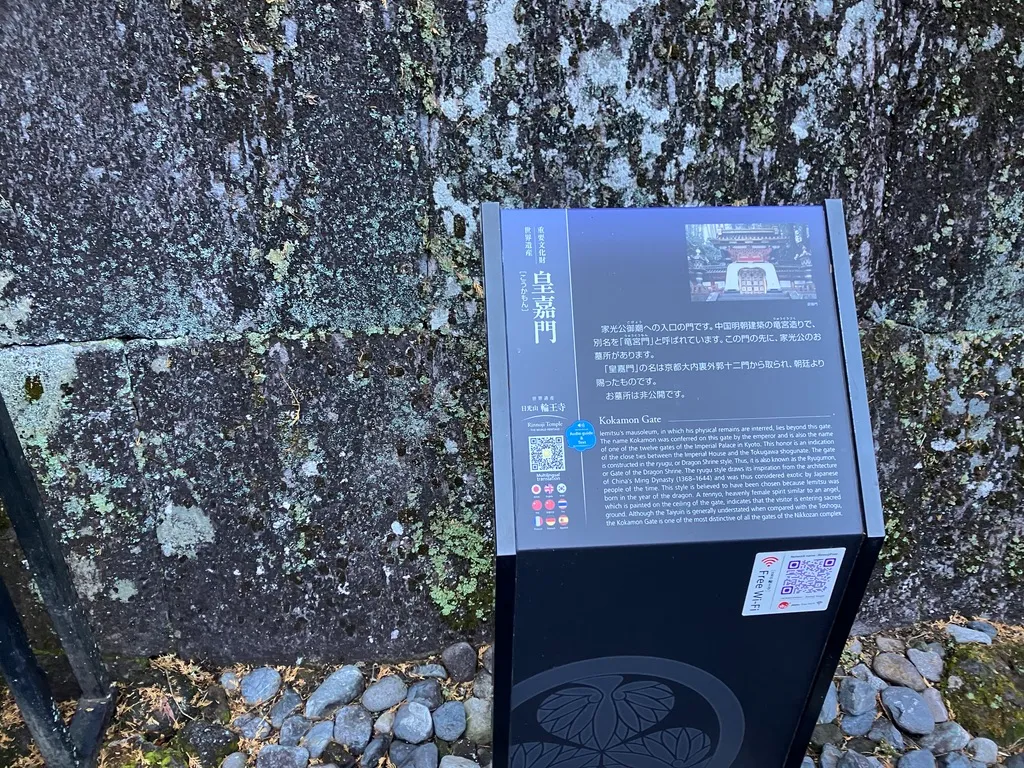
↓This appears to be the gate leading to the tomb where Iemitsu rests. Unfortunately, entry is not permitted.
Utsunomiya Futarasan Shrine|The City’s Central Guardian Shrine
A little further south from here lies Utsunomiya Futarasan Shrine, located within Utsunomiya City.
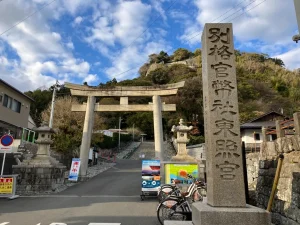
Though it shares the “Futarasan” name with Nikko, the atmosphere is quite different. Perched atop a small hill in the city center, it’s a shrine completely integrated into daily life. And the stairs… After climbing up and down steps at places like Nikko Toshogu, my knees are shaking~
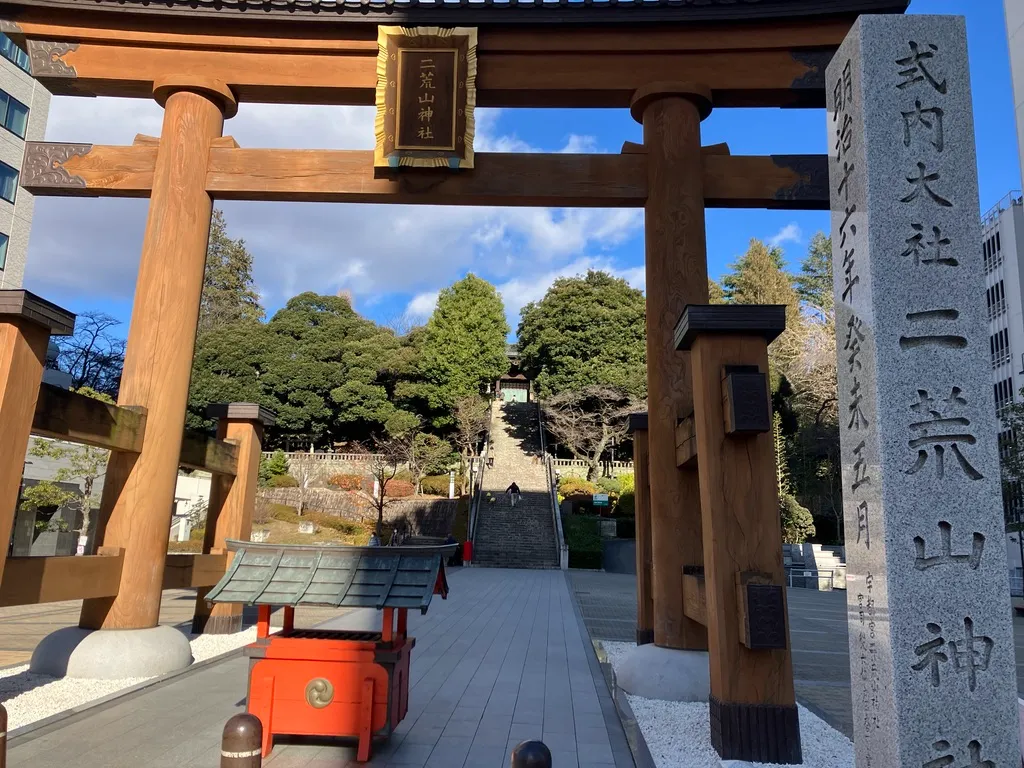
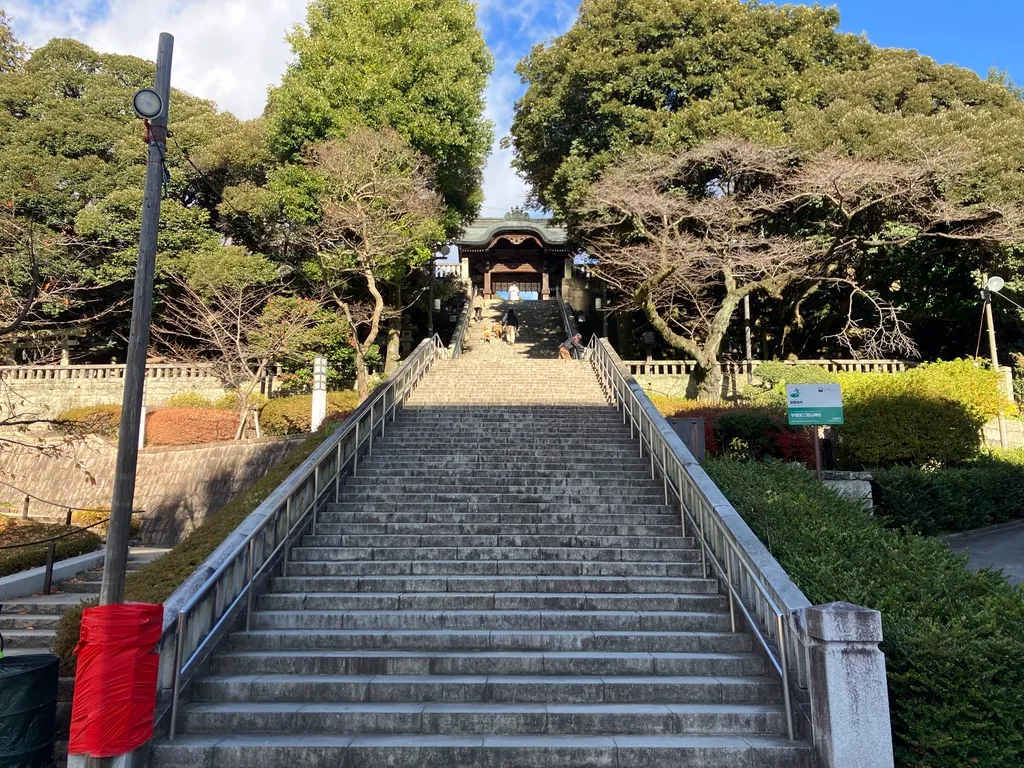
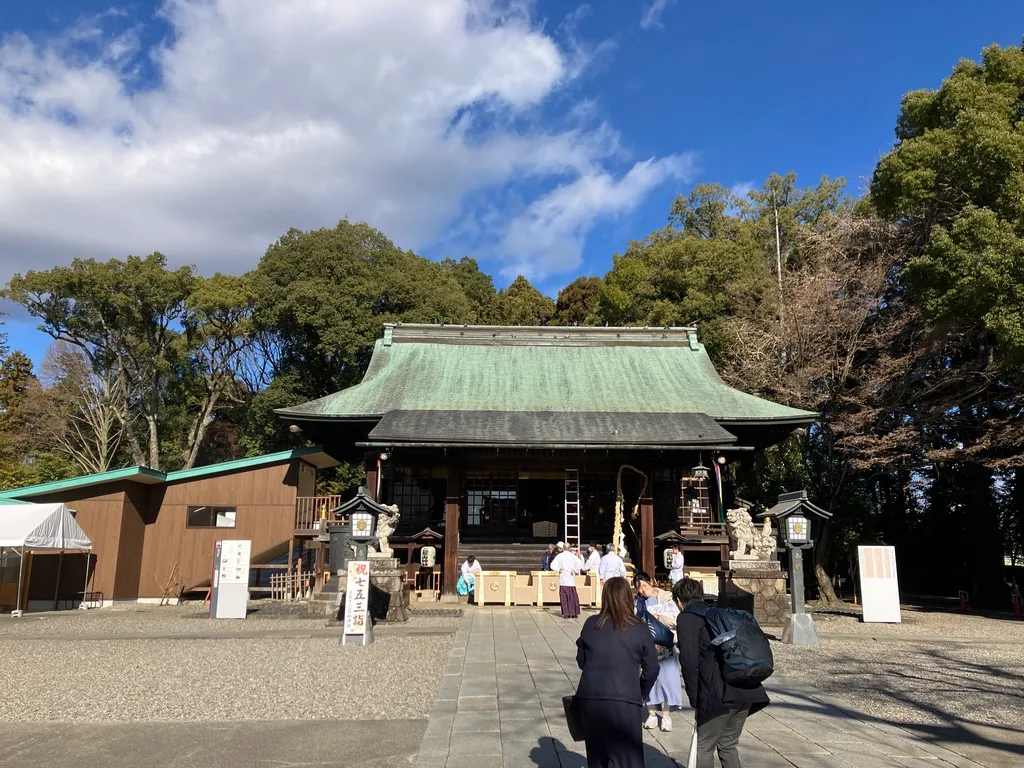
This time of year (mid-December), every shrine seems to be bustling with preparations for the New Year holidays. Toshogu Shrine was doing cleanup work too, I remember~
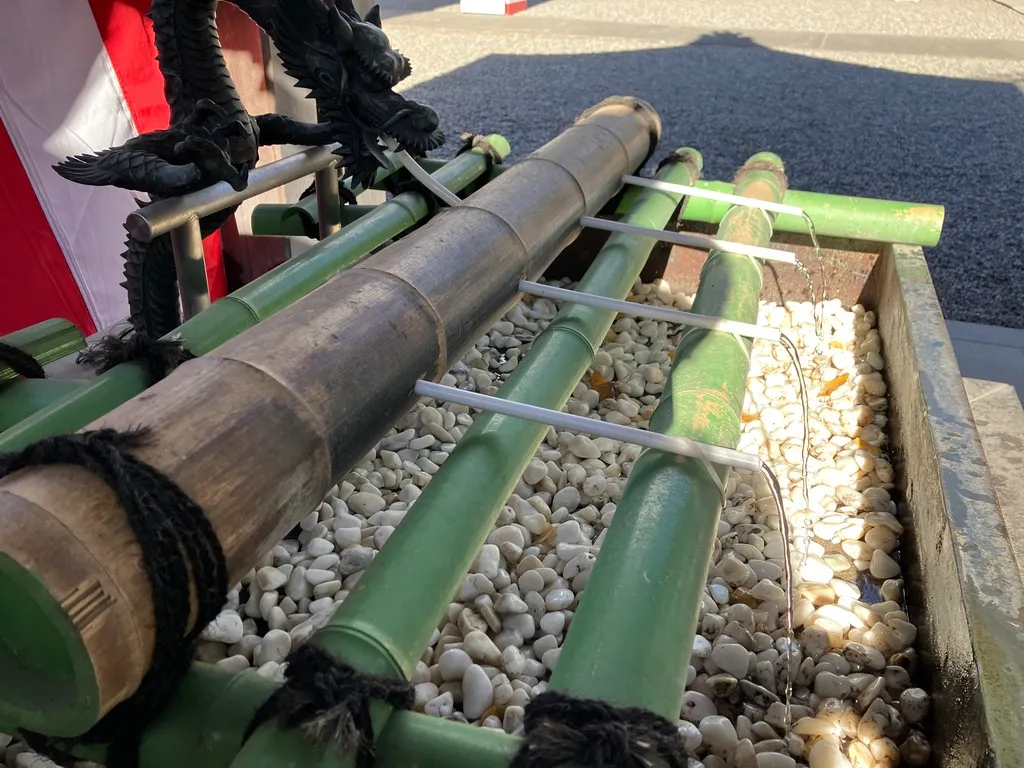
But the automatic water purification basin feels kind of impersonal💦
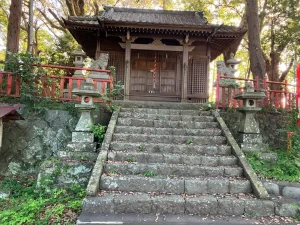
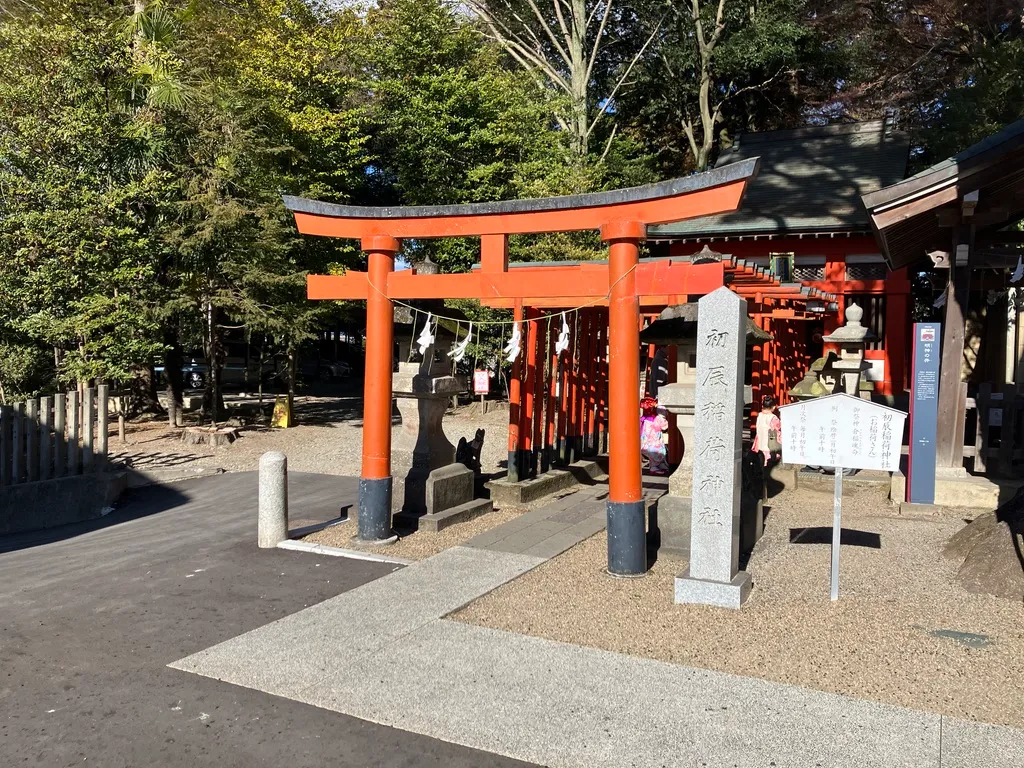
Inari shrines are also found within the same precincts. Looking up from the bottom of the stone steps, you can’t help but think, “Ah, it’s a neighborhood shrine.”
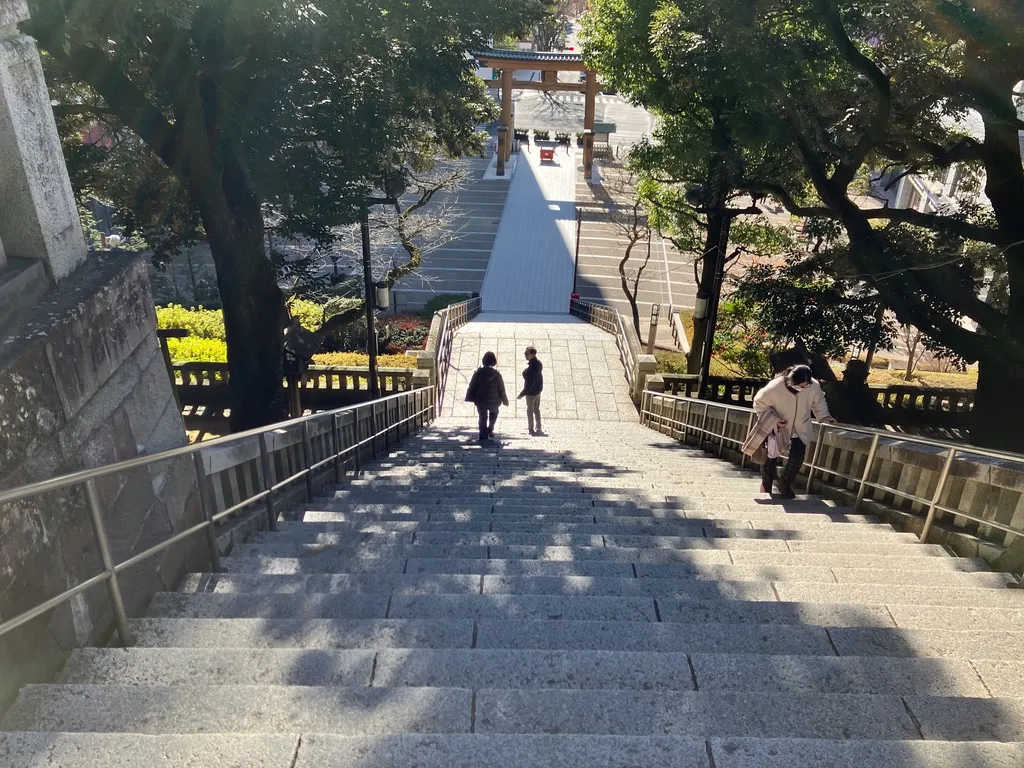
Utsunomiya Castle Ruins|Another Key Site Supporting Nikko
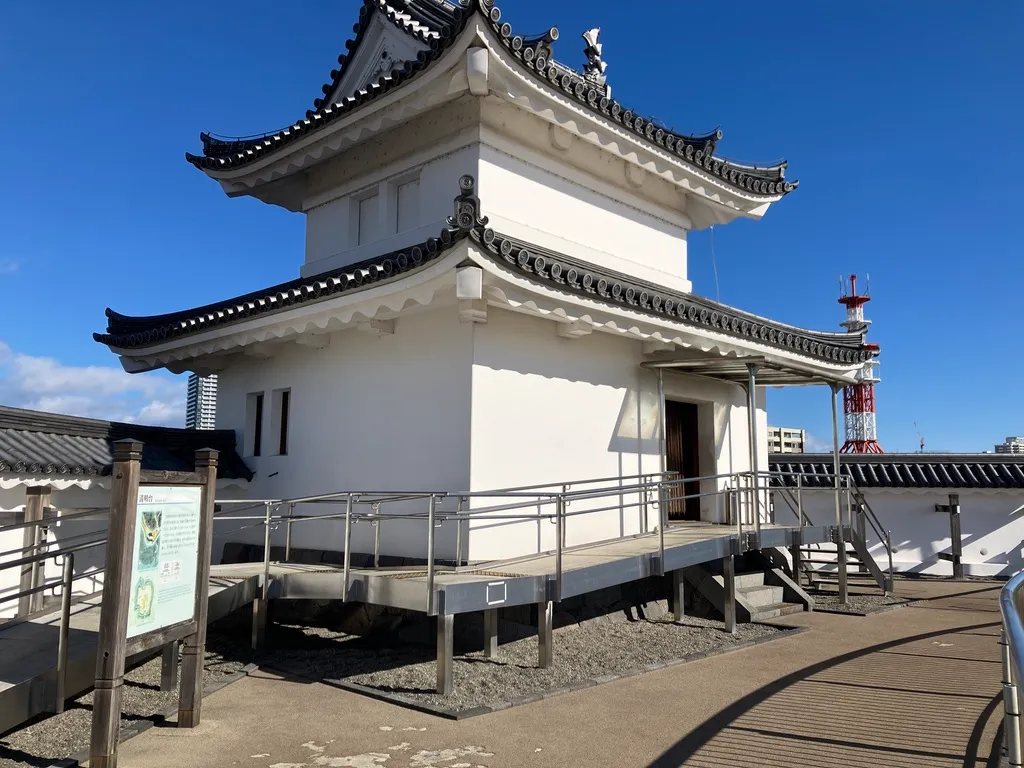
Finally, the Utsunomiya Castle Ruins.
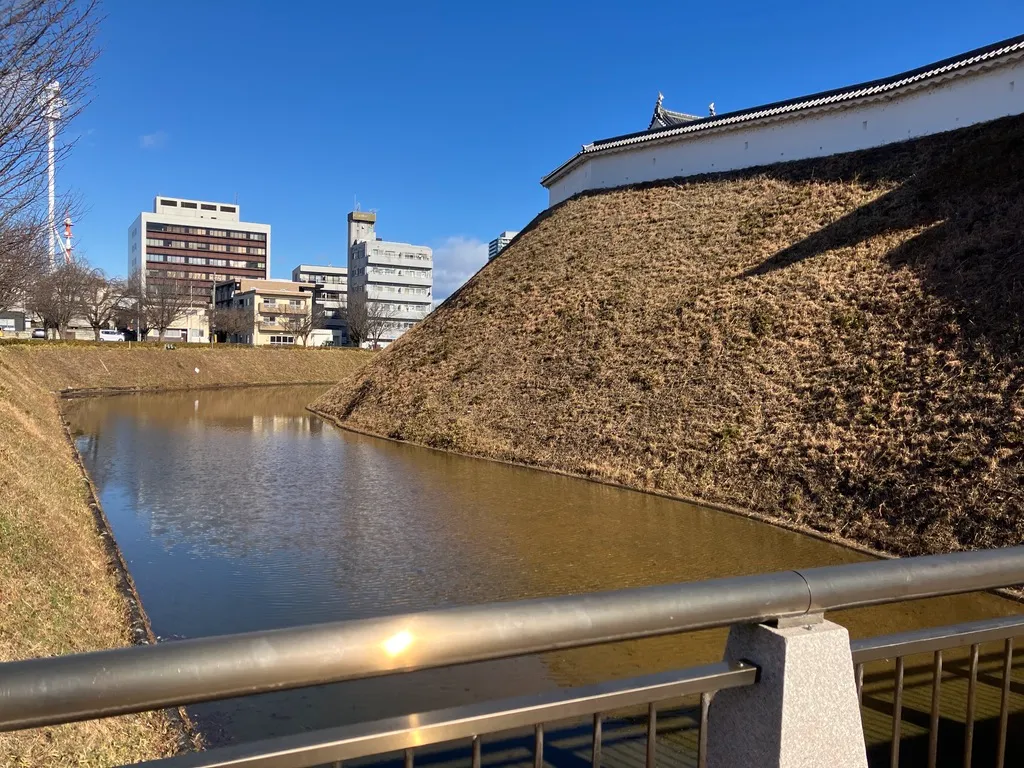
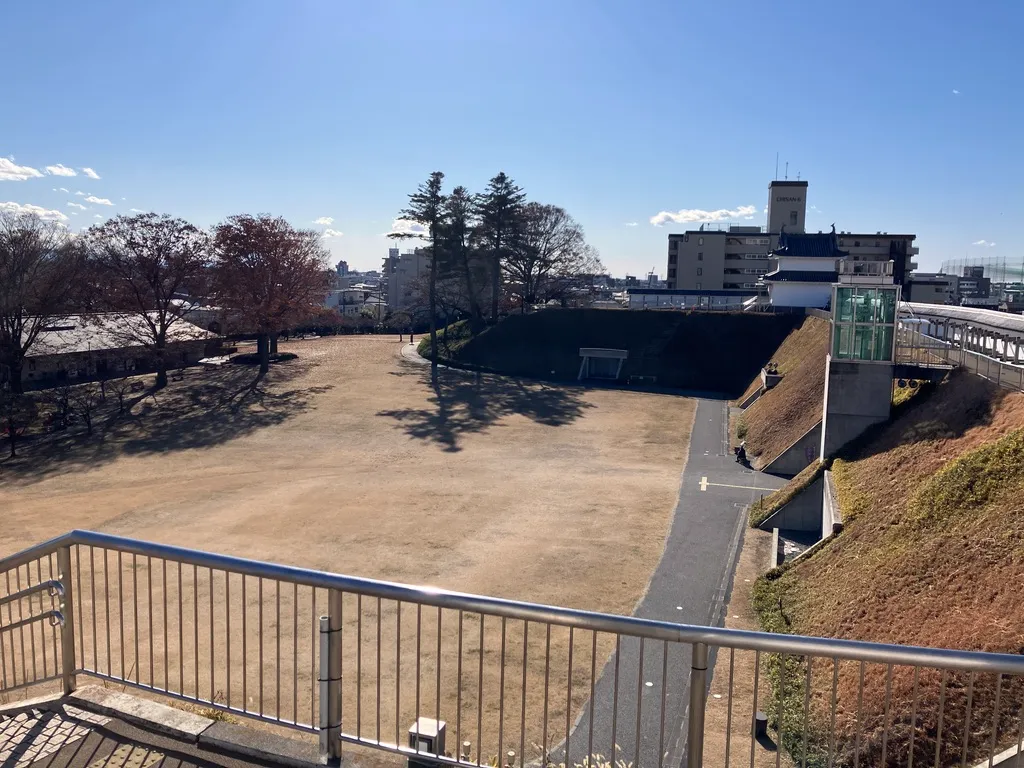
Though now developed as a park, it seems to have been a rather important location during the Edo period. It was a strategic junction where the Nikko Kaido and Oshu Kaido highways met, and also served as a base during the shogun’s pilgrimages to Nikko. The moat surrounding the park is beautifully maintained.
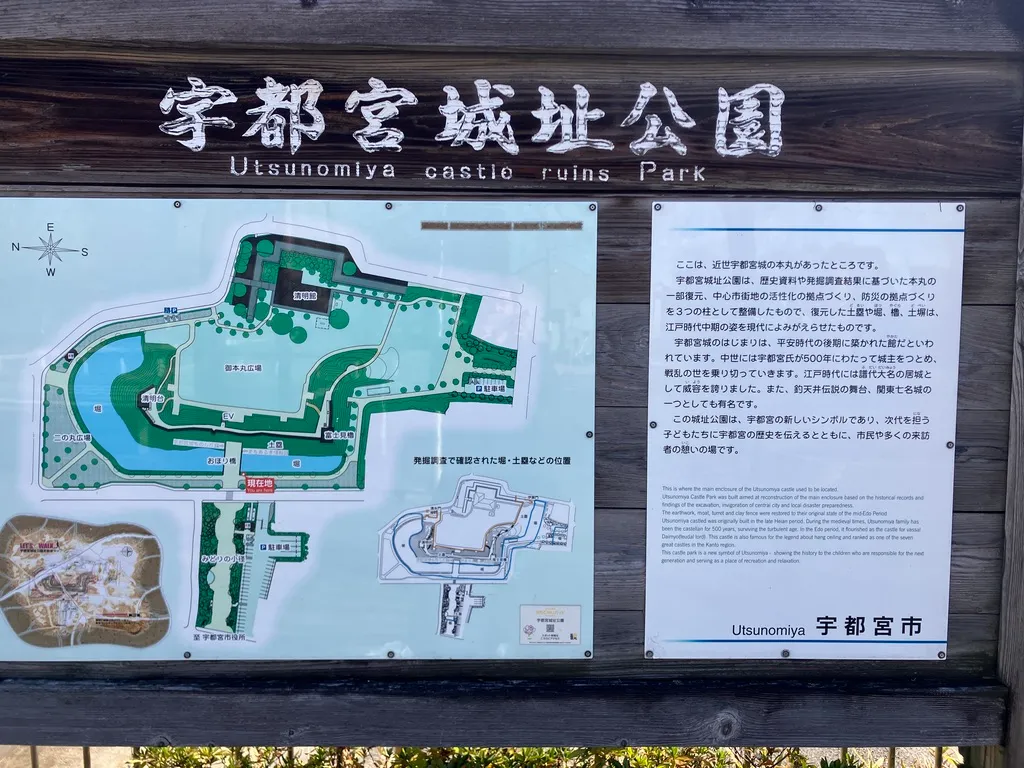
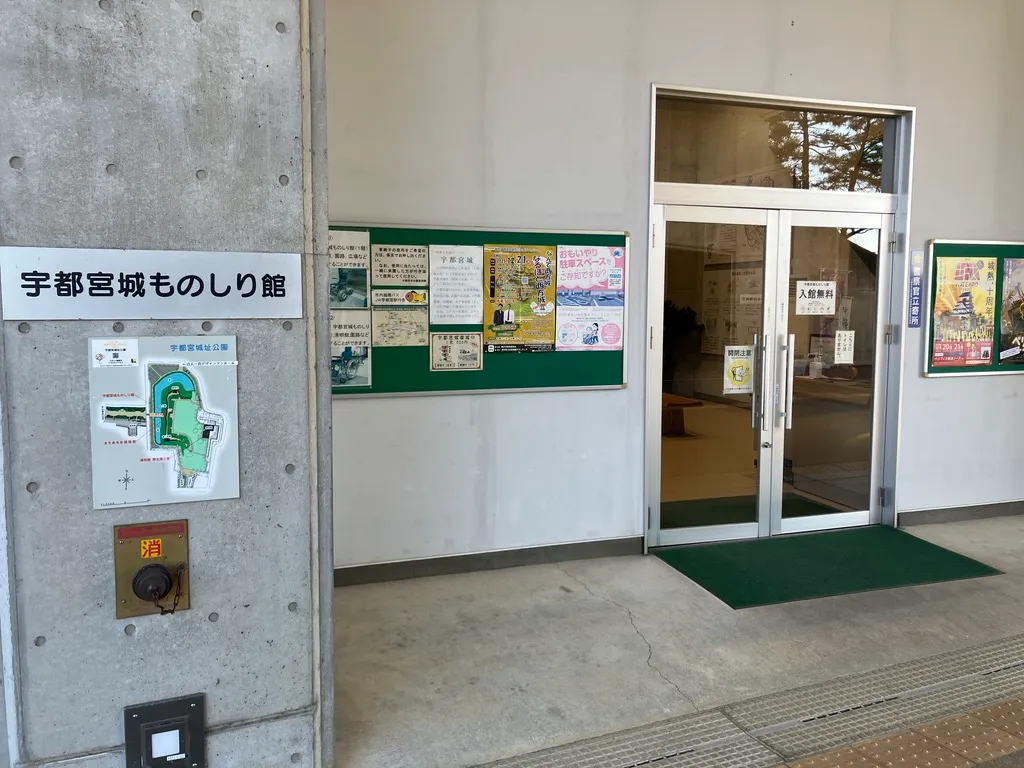
Inside the park is the Utsunomiya Castle Knowledge Center, where you can see the entire layout of the castle town and excavated artifacts for free. It’s pretty legit, right?
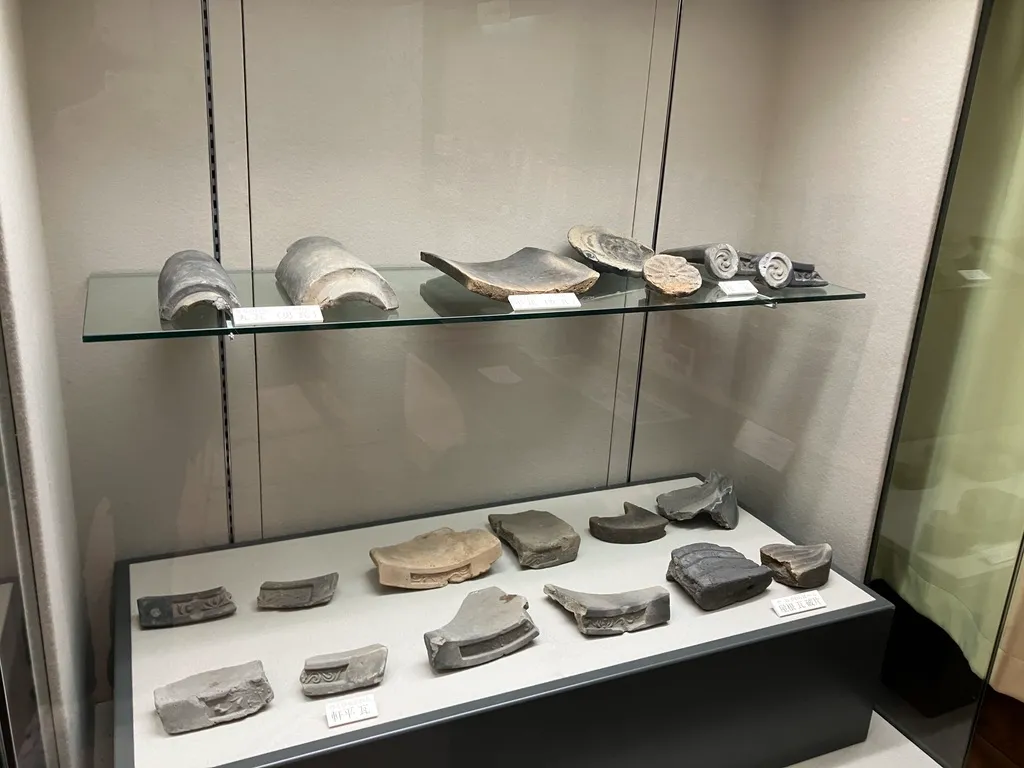
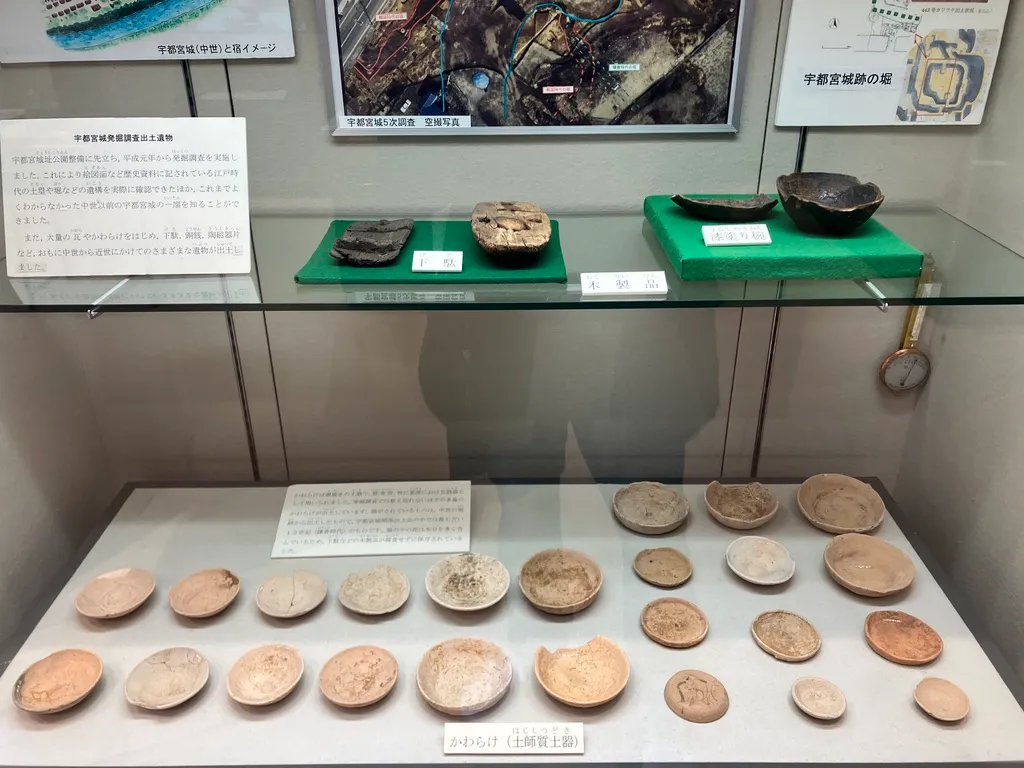
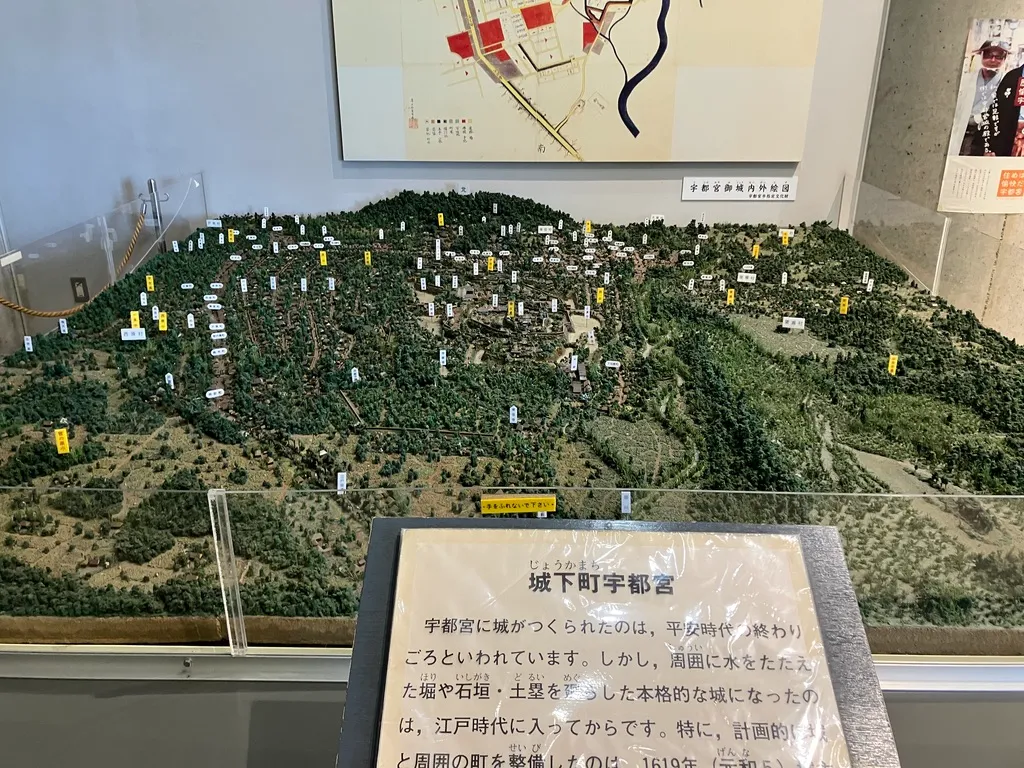
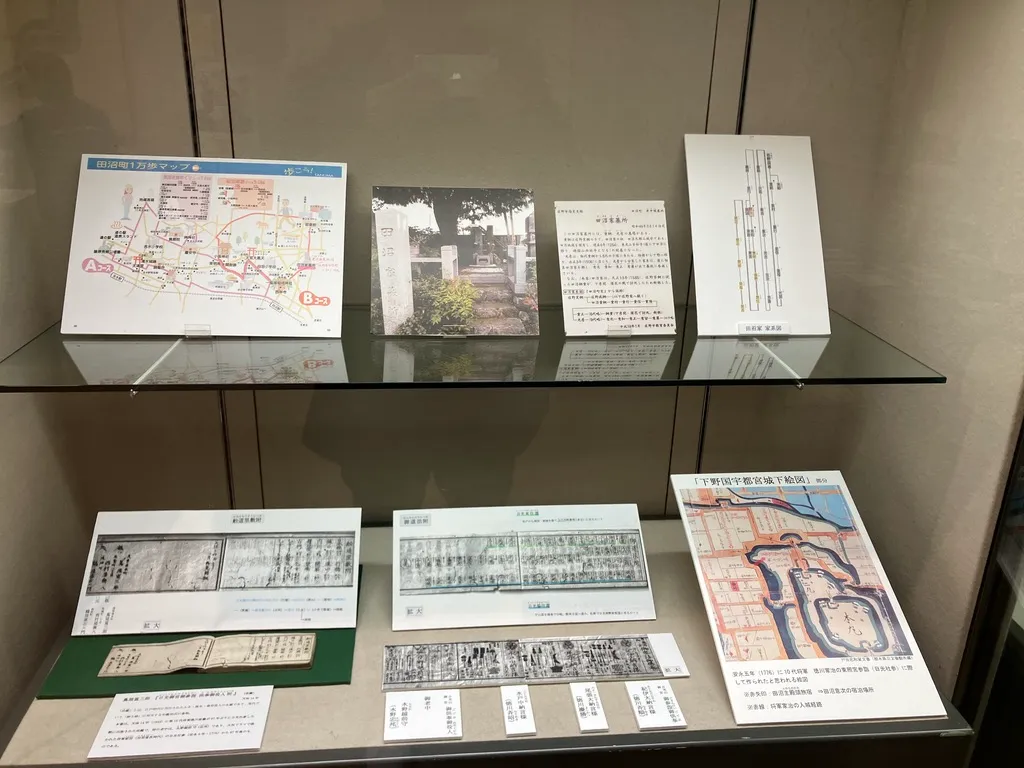
You can walk across the earthen rampart too. The watchtower has been restored, and it’s fun just to look at it~
What a great view.
If you’re going to the shrine, plan for about two nights to really take it in.
Nikkō Tōshō-gū is impressive enough on its own. But,
underpinning it all is the Futarasan faith,
- the Daiyūin of Iemitsu,
- and Utsunomiya as a hub for transportation and military strategy.
- Seeing all these together makes it even more enjoyable.
This time I tried to cover it in one night and two days, but it was laughably insufficient. Just thoroughly exploring the Nikkō area alone takes over a day, so I think two nights and three days is ideal.