
This article was created using a translator. There may be expressions that are difficult to understand. If you have any questions, please check by yourself.
Please consult us about anything related to Fujieda City.
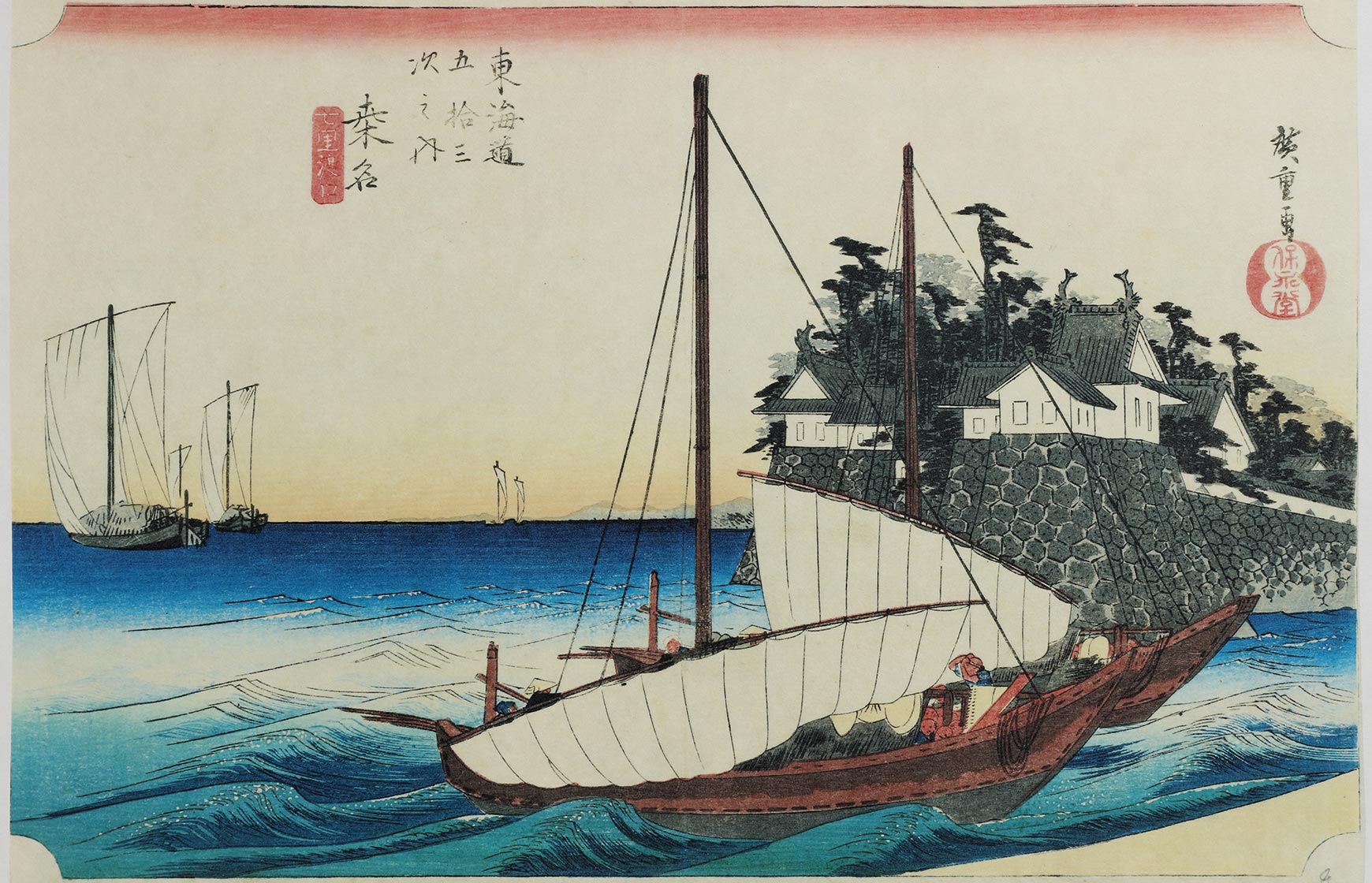
CONTACTThis time, it’s “Kuwana-juku.” I wasn’t really sure what to make of Kuwana, but it turns out it connects to “Miyajuku” and Shichiri no Watashi, which I visited recently.
Of course, at Shichiri no Watashi, I walked through some pretty impressive spots like Kyuka Park and Rokkaen, so please stick with me until the end~
A Rough Overview and History of Kuwana-juku
Kuwana-juku was the 42nd post station along the Tōkaidō. Geographically located at the entrance to Ise Bay, it flourished as a key transportation and waterway hub since ancient times. It’s also famous for the phrase “That hand is Kuwana’s grilled clams.” (Internet info💦)
During the Edo period, the Kuwana Domain (100,000 koku) was established here, and it developed as a castle town. It seems it became a central hub for travelers and logistics, especially as the gateway for the “maritime route”—a journey of about 7 ri (approximately 28 km) by boat from Atsuta (Miyajuku).
First, to “Kuhua Park”
Kyuka Park was built on the site of Kuwana Castle’s main keep. It’s beloved as a local walking spot, but it’s also an incredibly pleasant place to visit as a tourist.
True to its castle ruins heritage, the moat remains well-preserved. It’s known as a prime spot for cherry blossom viewing in spring and autumn foliage. It’s like Fujieda City’s Rengeji Pond Park, lol. Just wandering around here, you naturally start thinking, “The atmosphere of when this was a castle town… it must have definitely been like this back then…”
Even just strolling here is thoroughly enjoyable and soothing, so I highly recommend it.

Historical sites I’ve actually seen
Every single time, I feel like I’m constantly rushing against the clock, but even amidst all that, I’ll keep sharing what I’ve actually seen~
Site of the Sōna Castle Keep
First, the castle keep foundation site is irresistible for castle enthusiasts.
While the keep itself no longer stands, simply gazing at the stone walls sparks the imagination: “What kind of structure once stood here?” Kuwana Castle’s keep is said to have been built in the early Edo period, but it may have been lost early on due to fire or other causes.
Even without the keep, standing atop the foundation feels refreshing as the wind sweeps through, offering a mini-experience of “feeling like a lord as you gaze out over the scenery.”
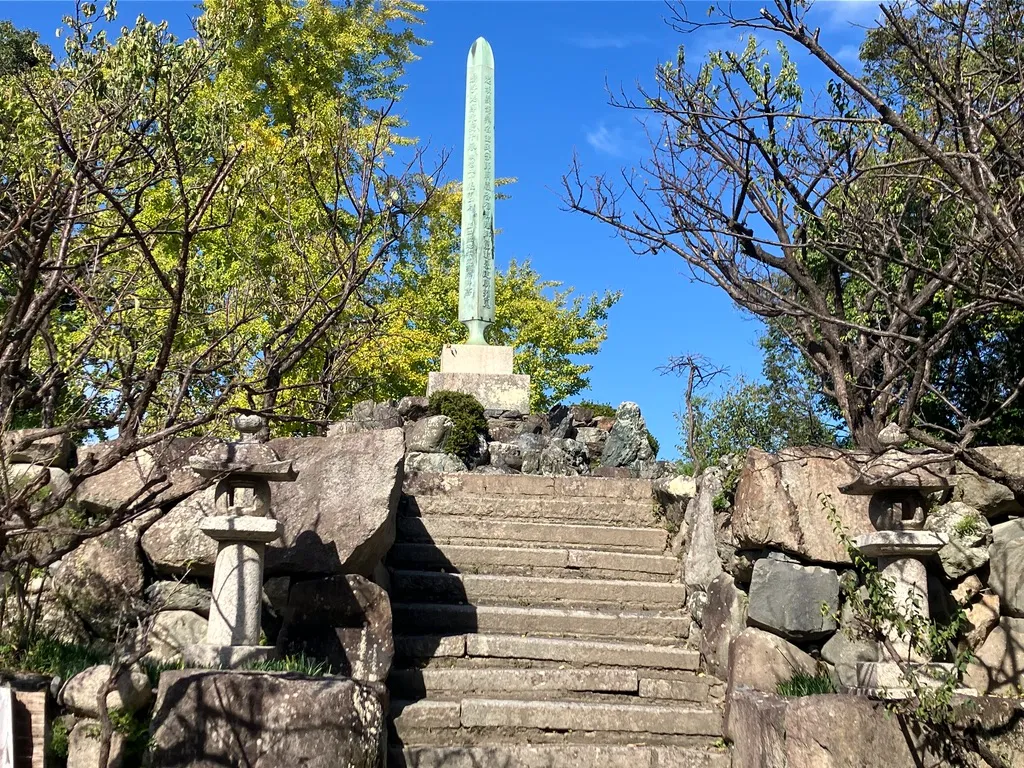
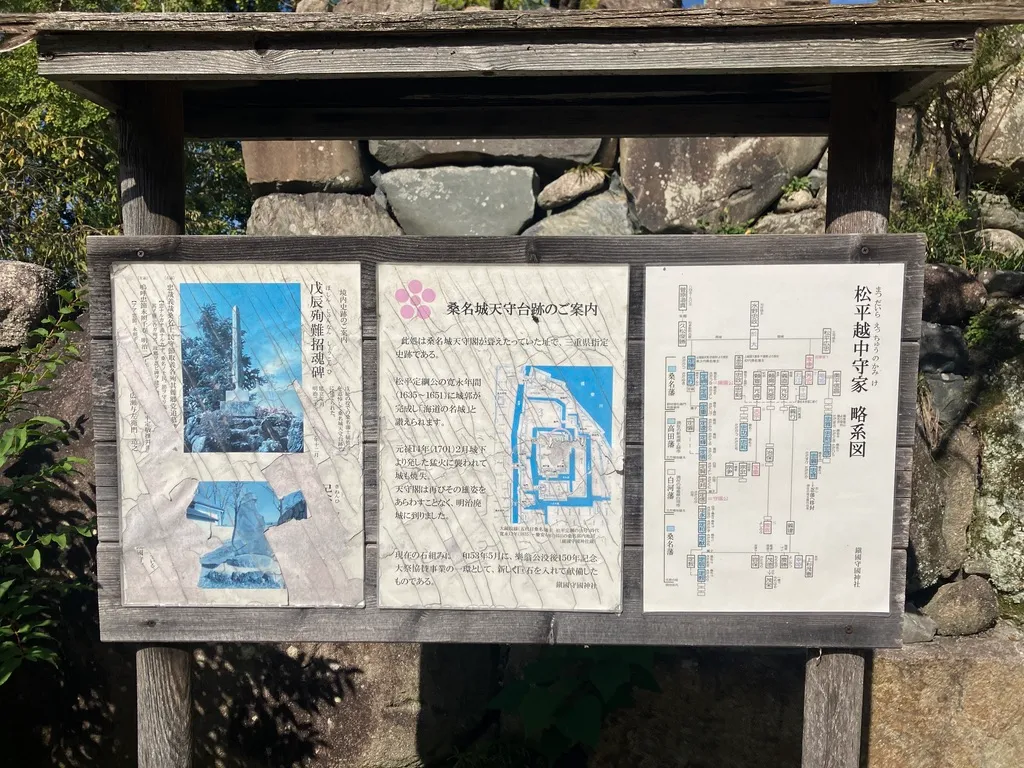
Monument to Loyalty and Endurance
The Monument to Loyalty and Perseverance—its very name evokes an atmosphere of immense solemnity and hardship.
This monument honors the samurai of the Kuwana domain during the late Edo period, serving as a reminder of those who endured suffering to uphold their domain throughout history. The more you read it, the more you realize just how turbulent an era Kuwana truly lived through back then.
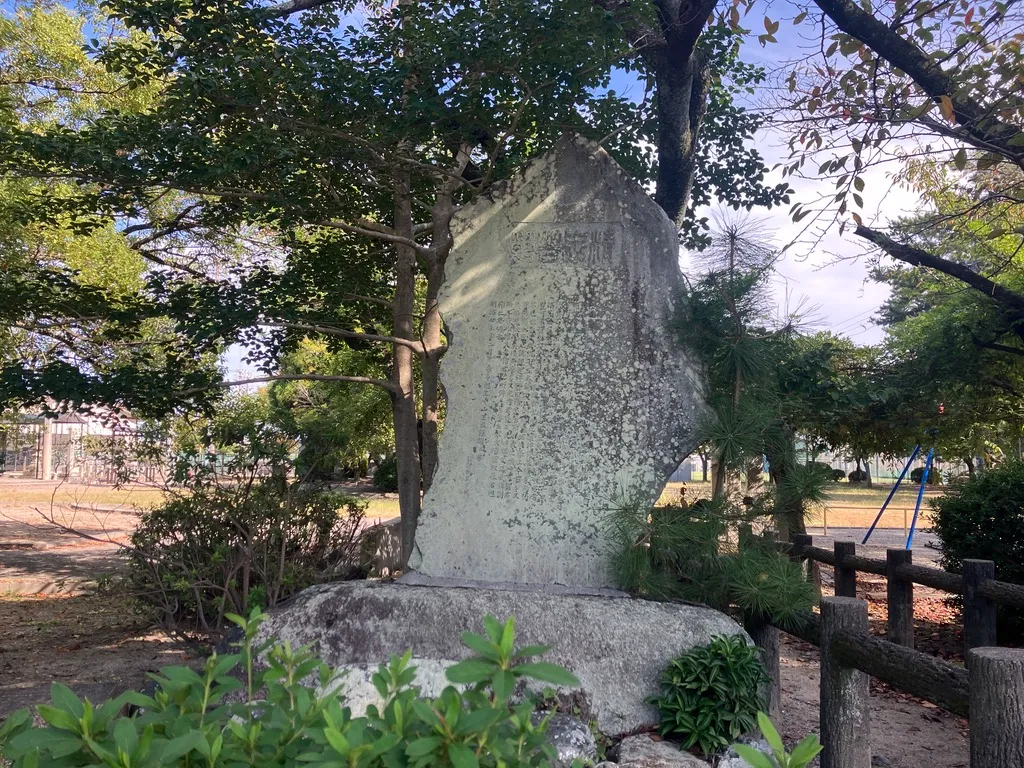
Monument to the Poems of Lord Rakūō
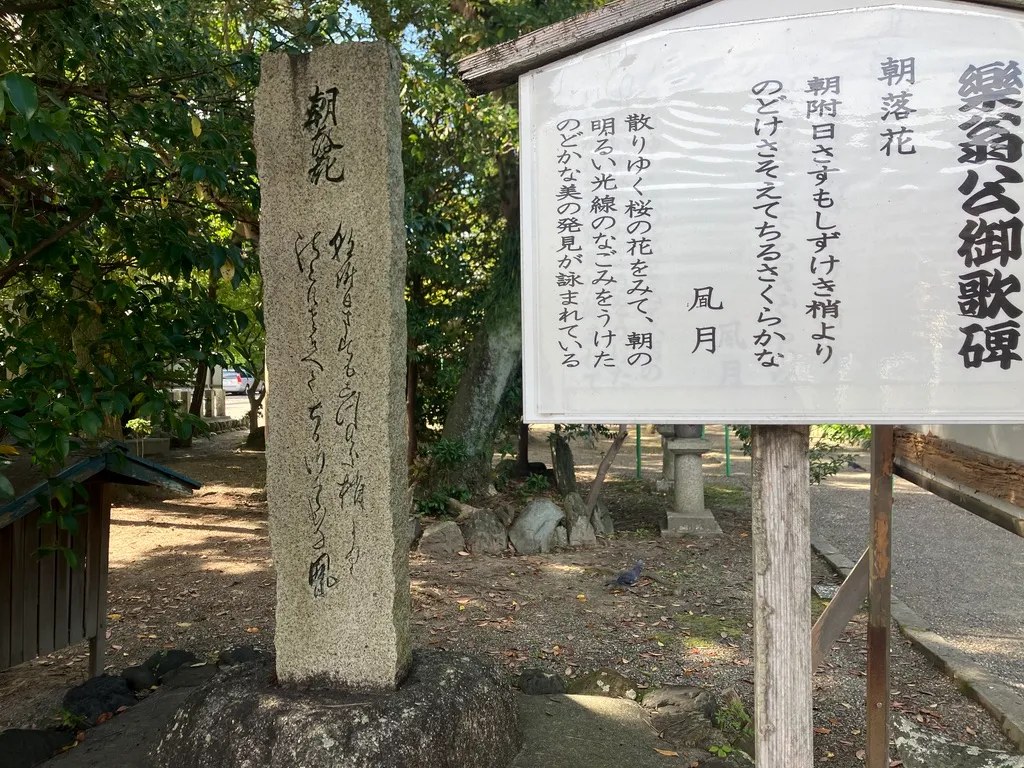
This monument bears the waka poem of Matsudaira Sadanobu (Lord Rakō), also known as the feudal lord of Shirakawa.
Seeing the words of a historical figure preserved in stone somehow makes you feel like you’re conversing across time. It fits perfectly with the quiet atmosphere of Kyūka Park, making it a spot where you inevitably linger longer than intended.
I learned for the first time that Matsudaira Sadanobu is called Lord Rakō lol
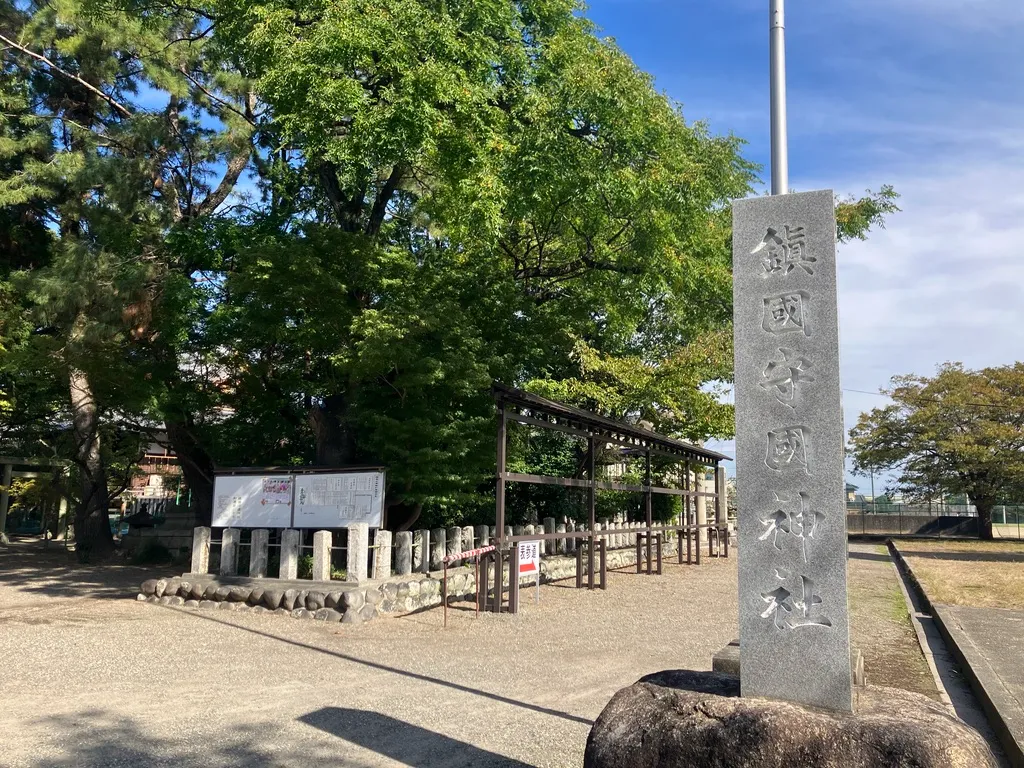
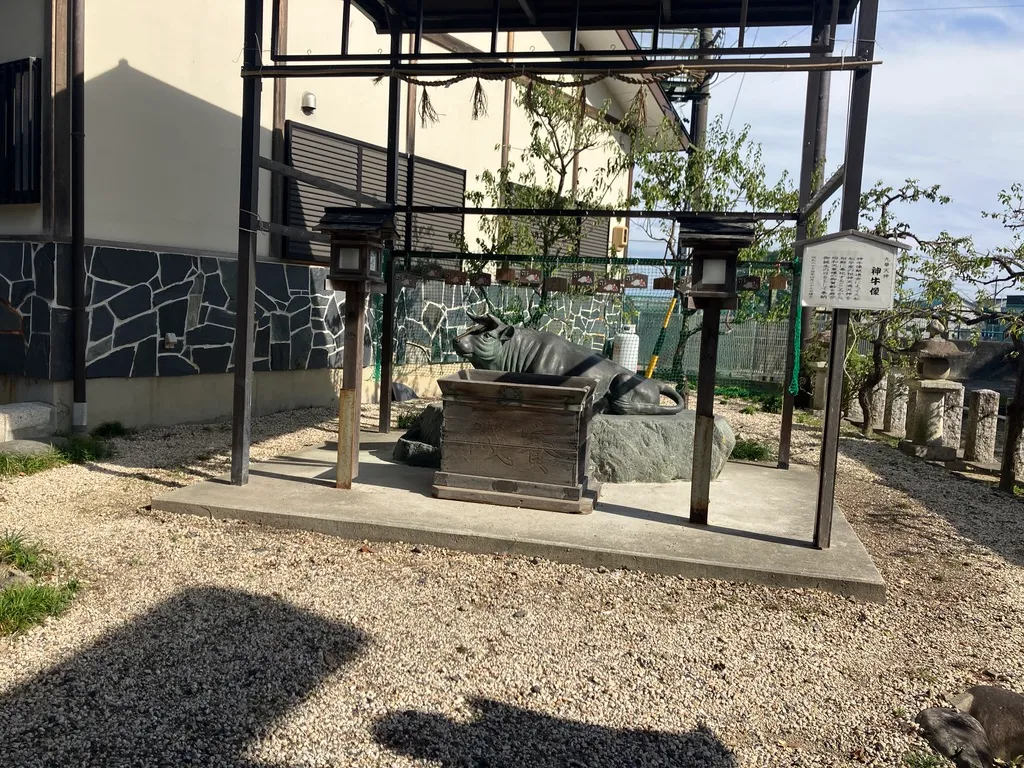
Nine-Flower Heavenly God・Divine Ox Statue
Speaking of Tenjin-sama, it refers to Sugawara no Michizane, the god of learning enshrined at Tenmangu Shrine. This must be related to the sacred cow called the “Divine Cow” at that Tenmangu Shrine.
It’s also located within the Shinkokushinokuni Shrine, and I was really surprised when I first saw it.
Head toward the harbor and go to the Shichiri Ferry.
When talking about Kuwana, this place is absolutely essential. Having just visited Miyasuku’s “Shichiri Ferry Crossing,” it feels strangely poignant. At the same time, I can’t help but think about how transportation has become incomparably more convenient compared to back then—something so obvious it’s almost surprising.
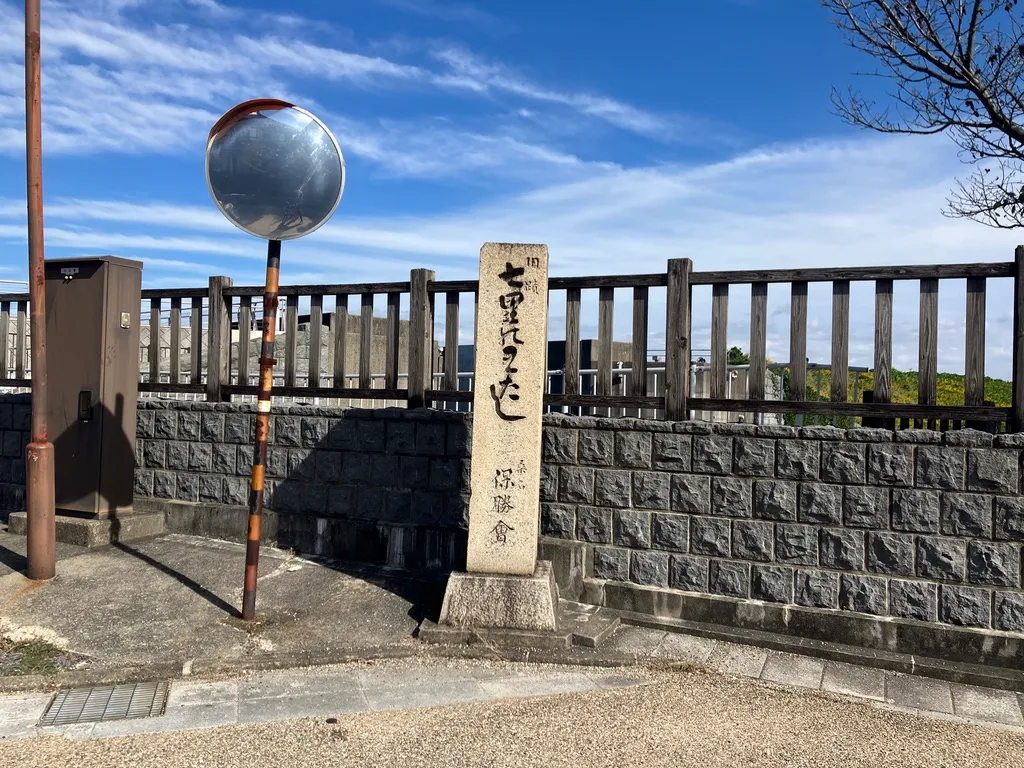
Shichiri Crossing Site
Famous as the only spot along the Tōkaidō where travelers “crossed the sea,” journeymen boarded ships here to traverse Ise Bay toward Miyasuku (Atsuta).
Monuments and information boards now stand on the site, making one reflect deeply: “Travel back then must have been so much harder than it is today…” Just gazing at the view toward the sea seems to convey the tension and excitement felt by travelers of that era.
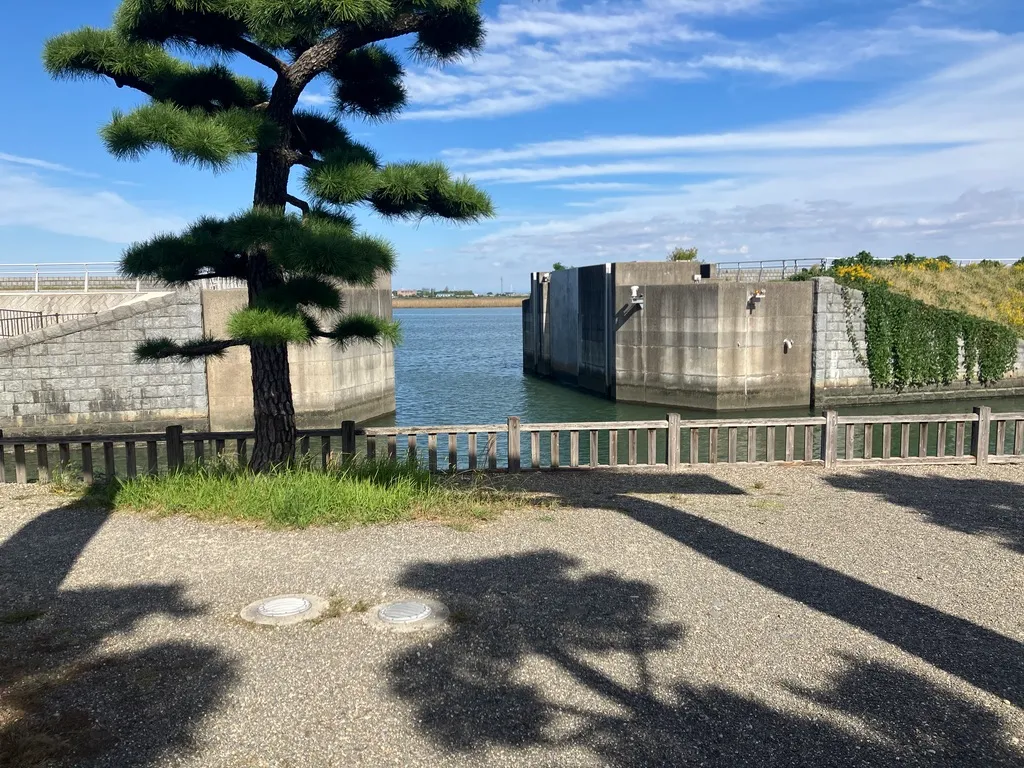
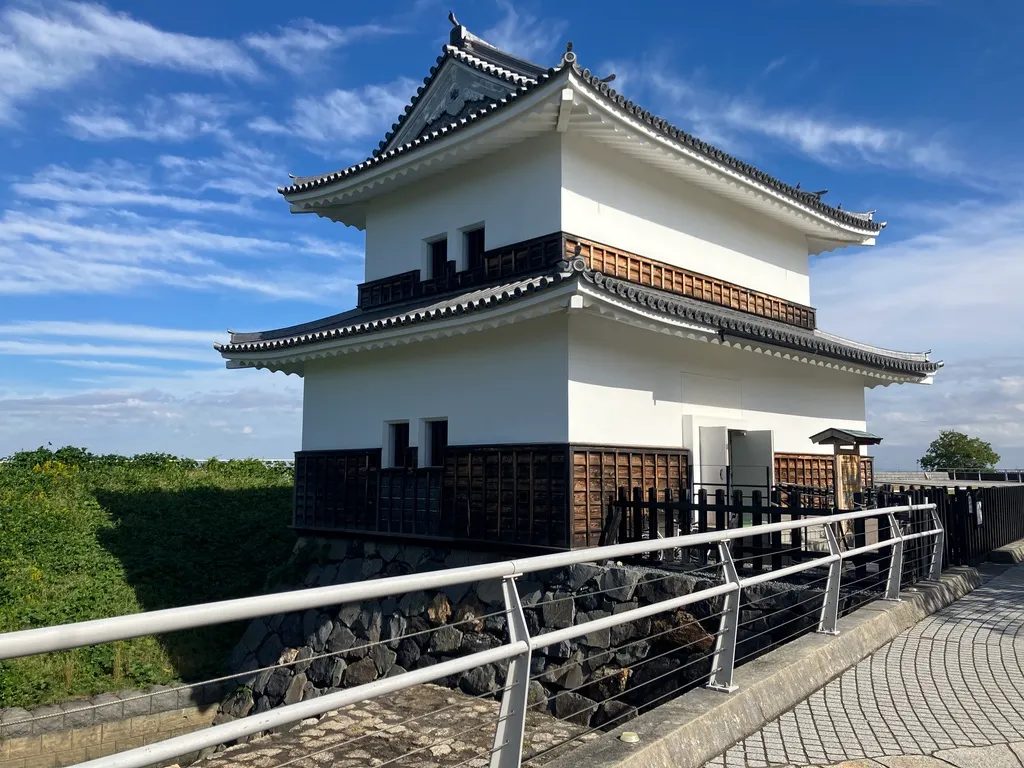
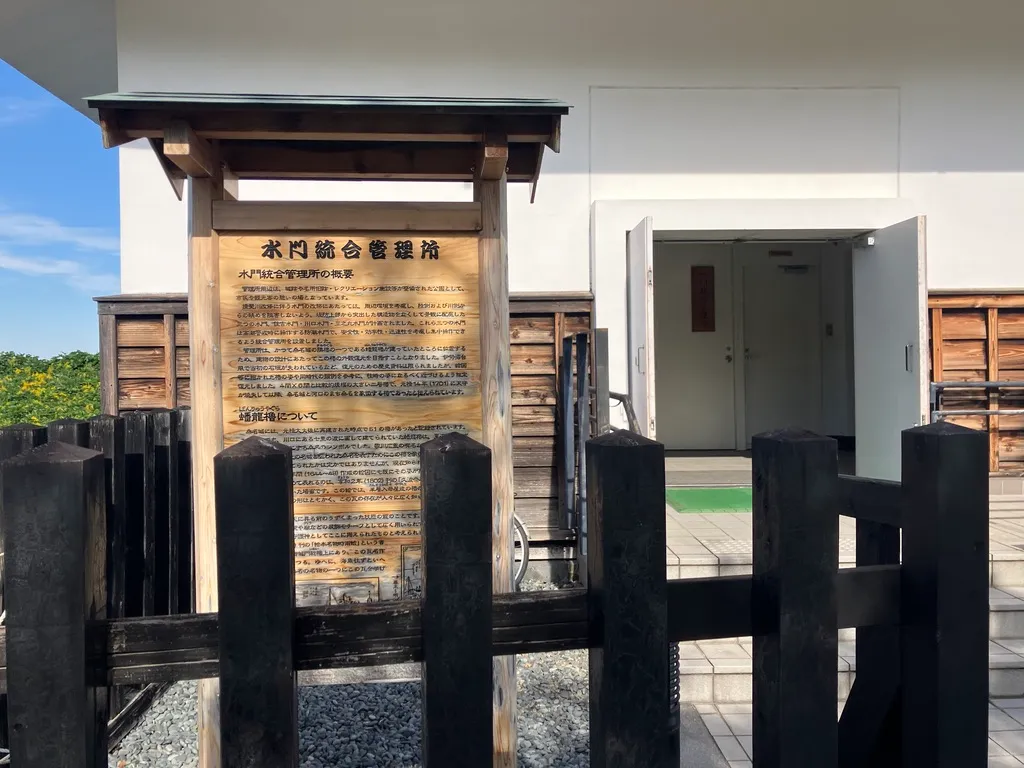
Kuwana Castle Banryū Yagura (Water Gate Management Office)
This Banryū Yagura tower along the harbor has a distinctly unique presence.
Though now used as a floodgate management office, its exterior retains the yagura-style design, blending the harbor with historical scenery to create a one-of-a-kind atmosphere. Many people probably think, “Ah, this is the kind of thing you just have to photograph.” Yes… I definitely took plenty of pictures lol.
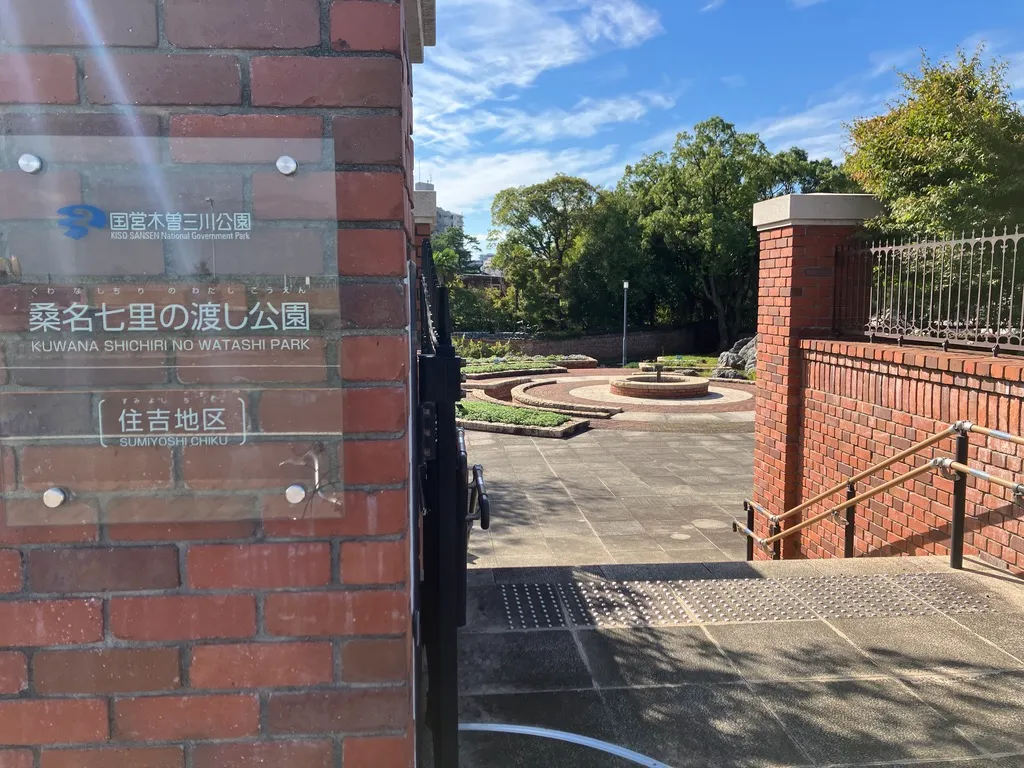
Shichiri Ferry Park
Just a short walk from the ferry landing site, this small park makes an ideal rest stop. The grounds are well-maintained, and simply looking at them is soothing to the soul.
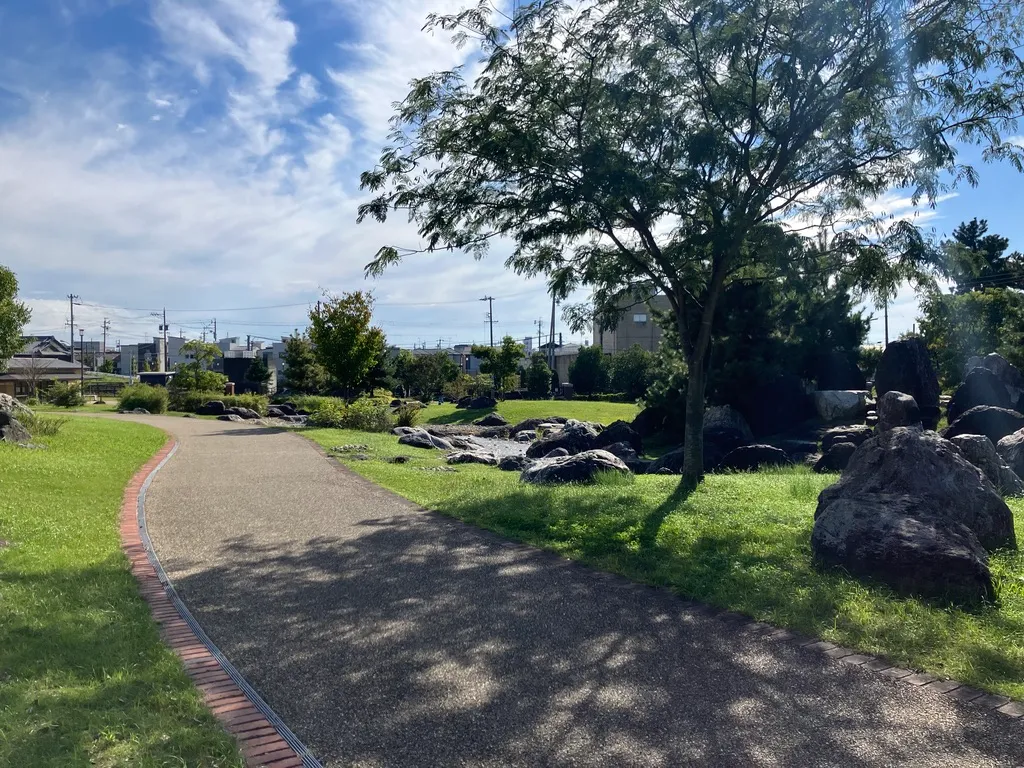
Rokkaen
And this time, what really surprised me when I visited Kuwana was this place. I’d say it’s the deciding factor for Kuwana tourism.
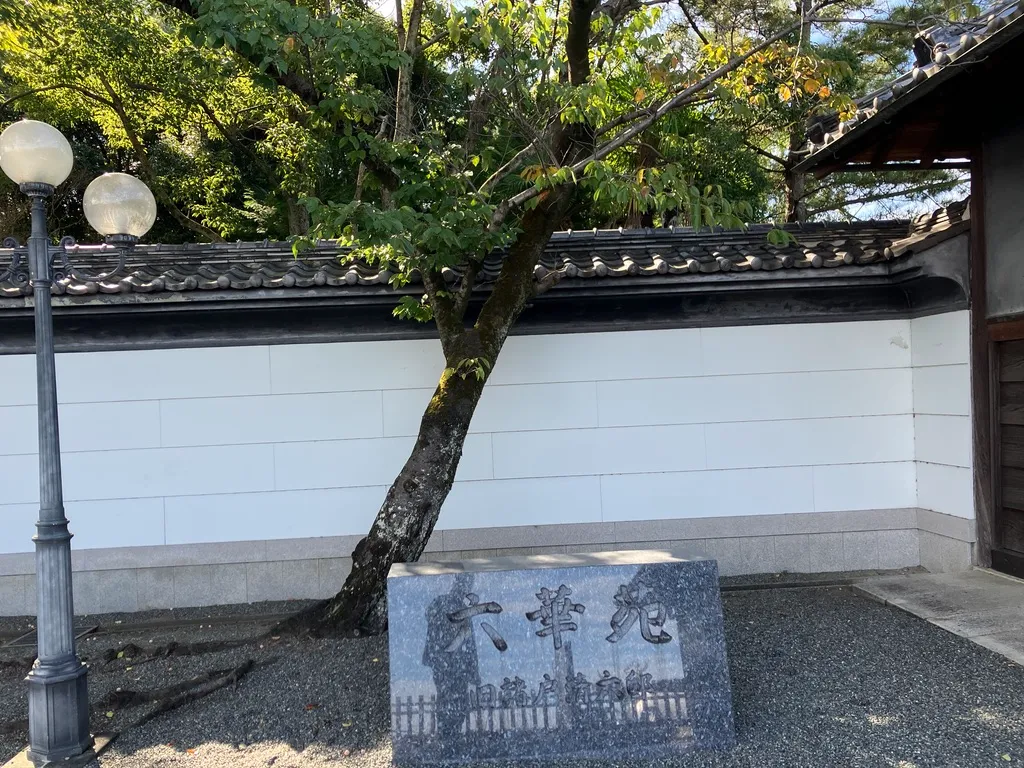
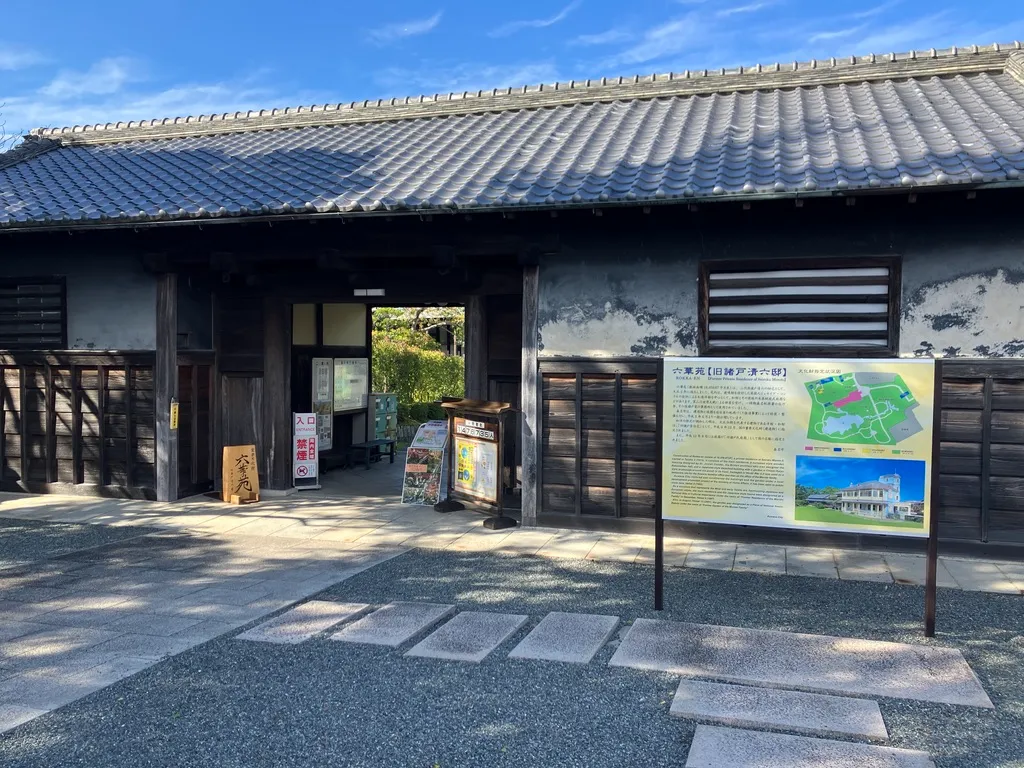
What is Rokkaen?
Rokkaen appears to be a cultural property consisting of a Western-style mansion and a Japanese-style building constructed as the residence of businessman Seiroku Moroto II, along with its expansive gardens.
The Western-style section is known for being designed by Josiah Condor. Condor is also famous for designing the Ueno Museum and the Rokumeikan. Many people are surprised to learn, “Condor architecture in Kuwana?!”
Josiah Conder (September 28, 1852 – June 21, 1920) was a British architect. He was invited to Japan by the Meiji government as a so-called “foreign expert”[1]. In 1877, he came to Japan as a teacher of architecture at the Imperial College of Engineering (present-day University of Tokyo Faculty of Engineering), where he taught Western architecture. Concurrently, he was active as an architect of Western-style buildings during the Meiji period, designing structures such as the Ueno Museum, the Rokumeikan, and the Arisugawa-no-miya Residence. He educated pioneering Japanese architects like Kingo Tatsuno, laying the foundation for the Japanese architectural world after the Meiji era. After retiring in 1890, he established a private architectural design office, designing numerous buildings including St. Nicholas Cathedral and the Mitsubishi Building No. 1.
He married a Japanese woman and possessed deep knowledge of Japanese culture, including Japanese painting, dance, flower arrangement, and rakugo storytelling. He studied Japanese painting under Kawanabe Kyōsai, receiving the artistic name Kyōei.
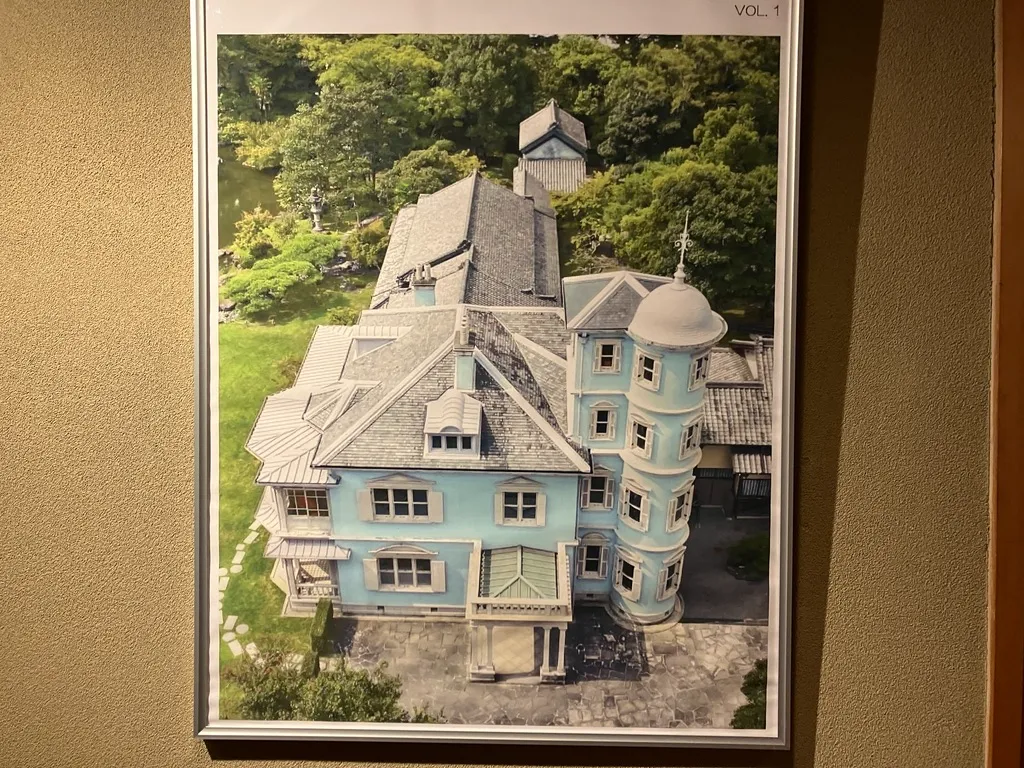
The exotic atmosphere exuded by the Western-style mansion
Stepping into the garden, the atmosphere of the Meiji and Taisho eras instantly envelops you.
The tower’s form, its elegant curves, the interior decorations—even just observing the details reveals countless points that make you think, “This is definitely something architecture lovers will appreciate…” The white-based exterior stands out beautifully against the sky, making for truly stunning photos.
Even though I said I didn’t have much time, I made sure to take my time exploring this place thoroughly~
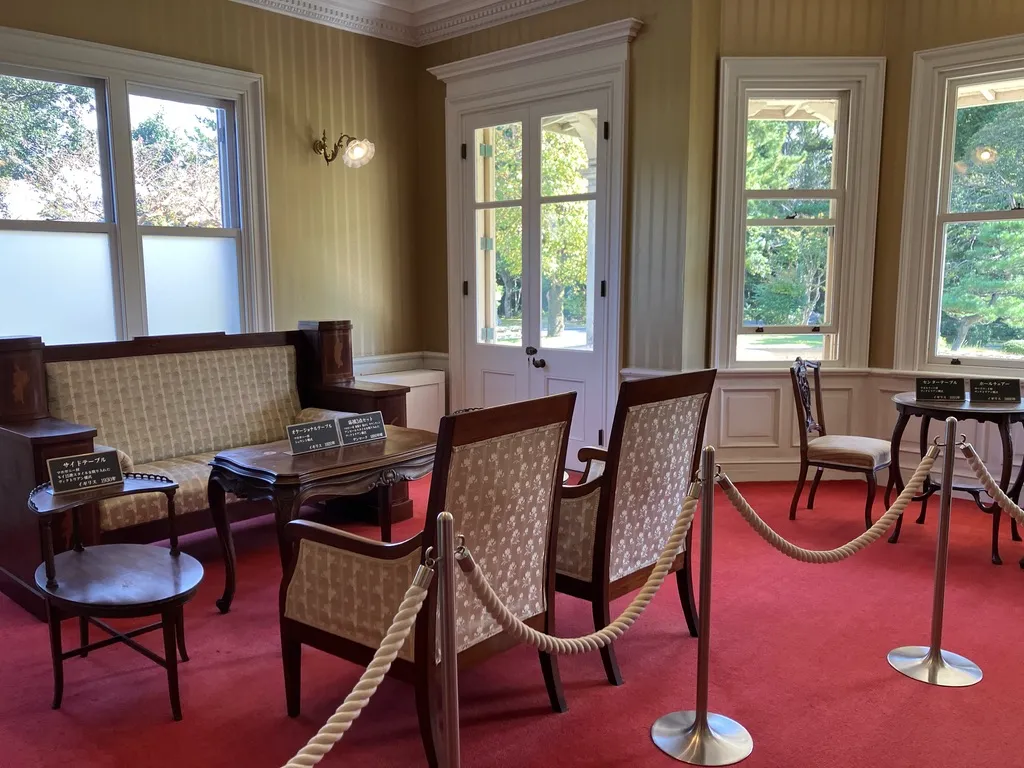
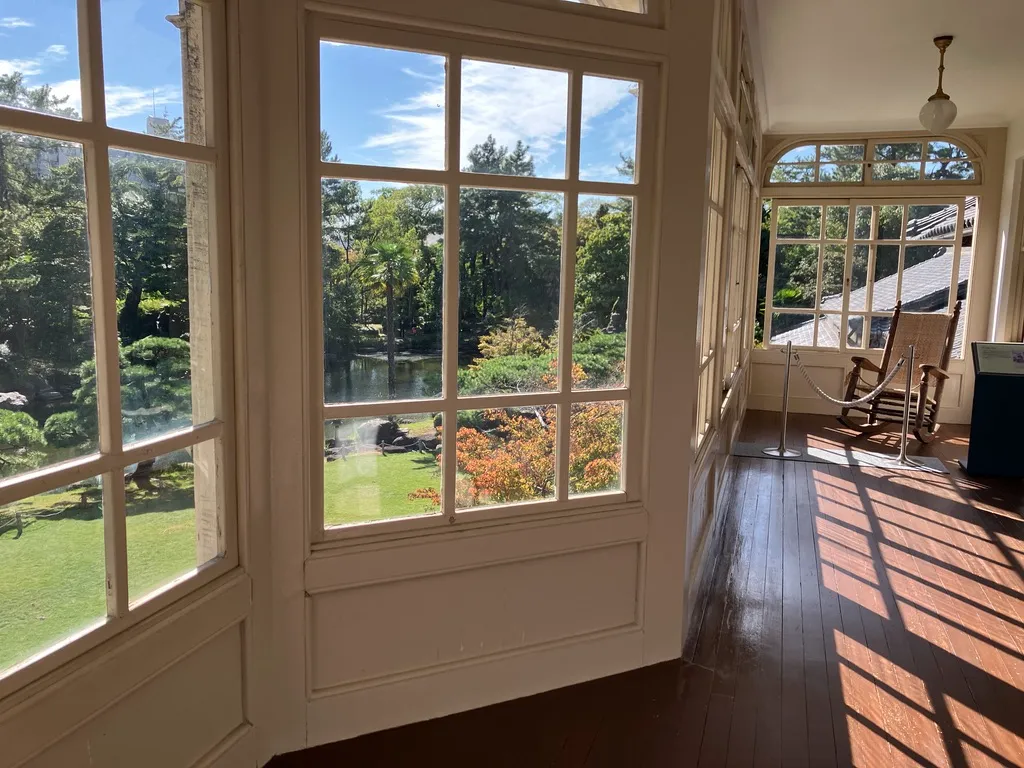
The mix with the Japanese-style building is the best
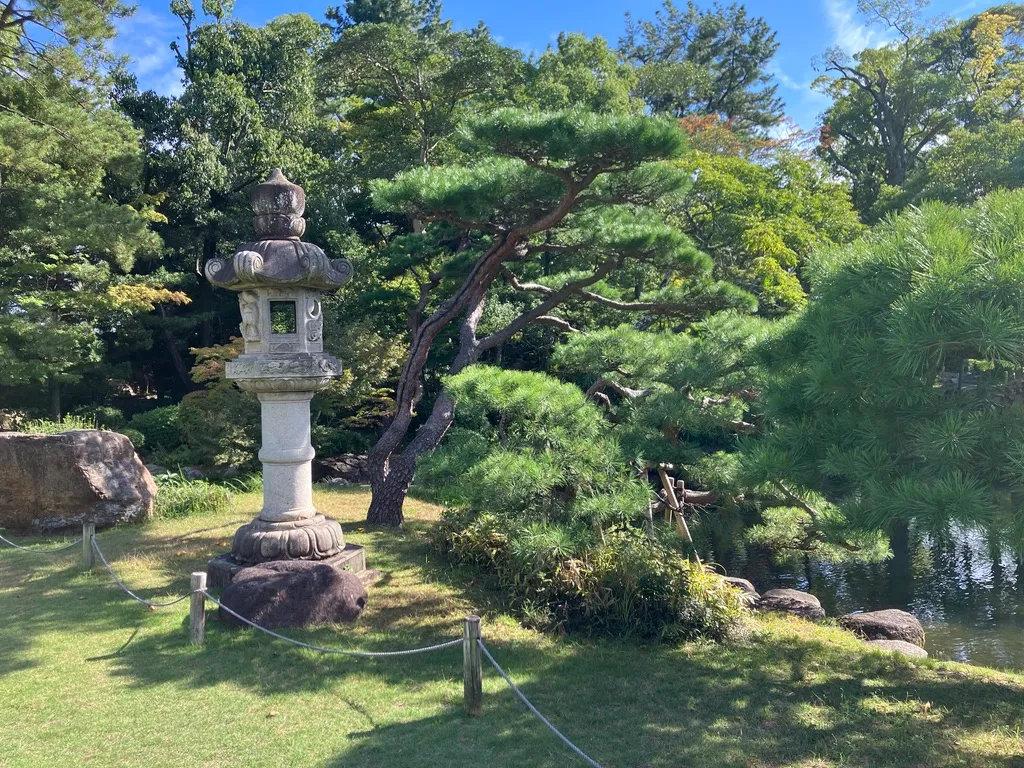
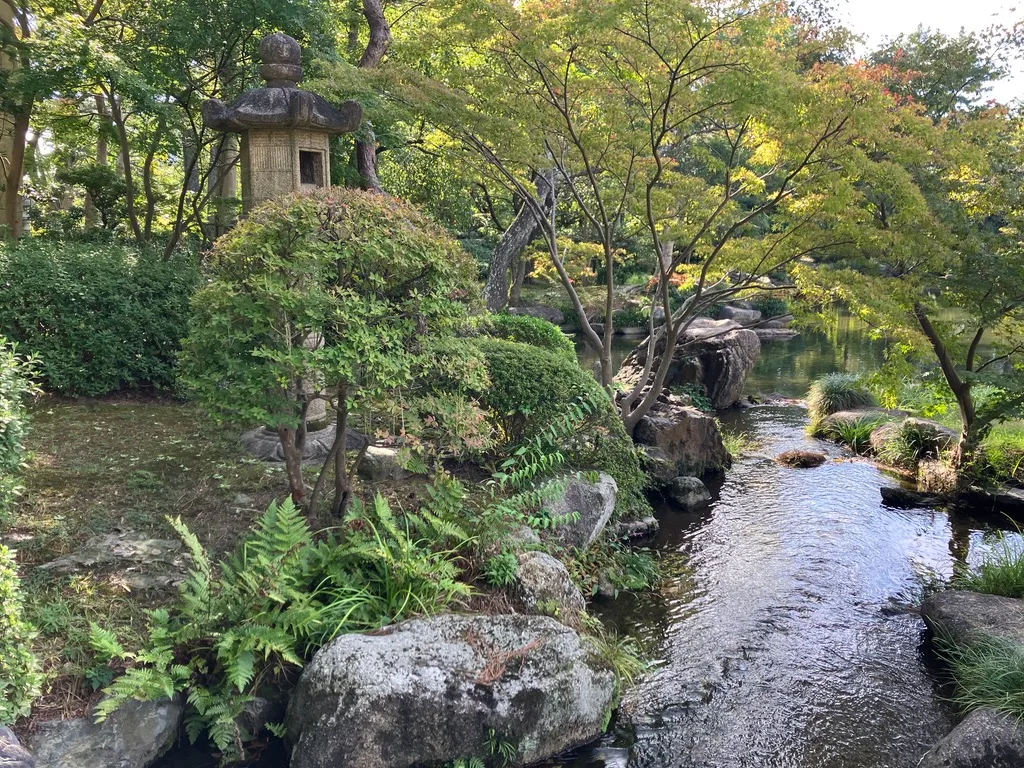
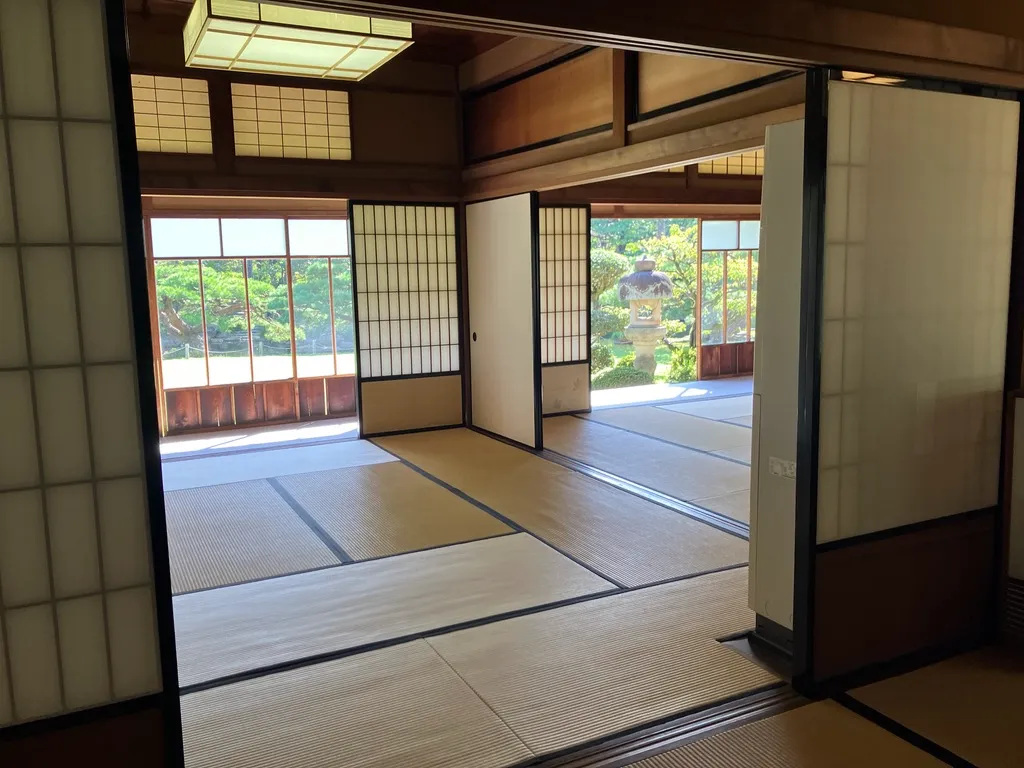
The charm of Rokkaen lies not only in its Western-style building but also in the combination of its Japanese-style building and garden.
Stepping into the Japanese-style building, the atmosphere shifts dramatically. A serene, traditional Japanese ambiance gently envelops you, blending with the garden’s greenery to create a feeling of pure Japanese beauty.
After being overwhelmed by the Western-style building, this quiet elegance feels almost unfairly delightful—the contrast is wonderfully satisfying.
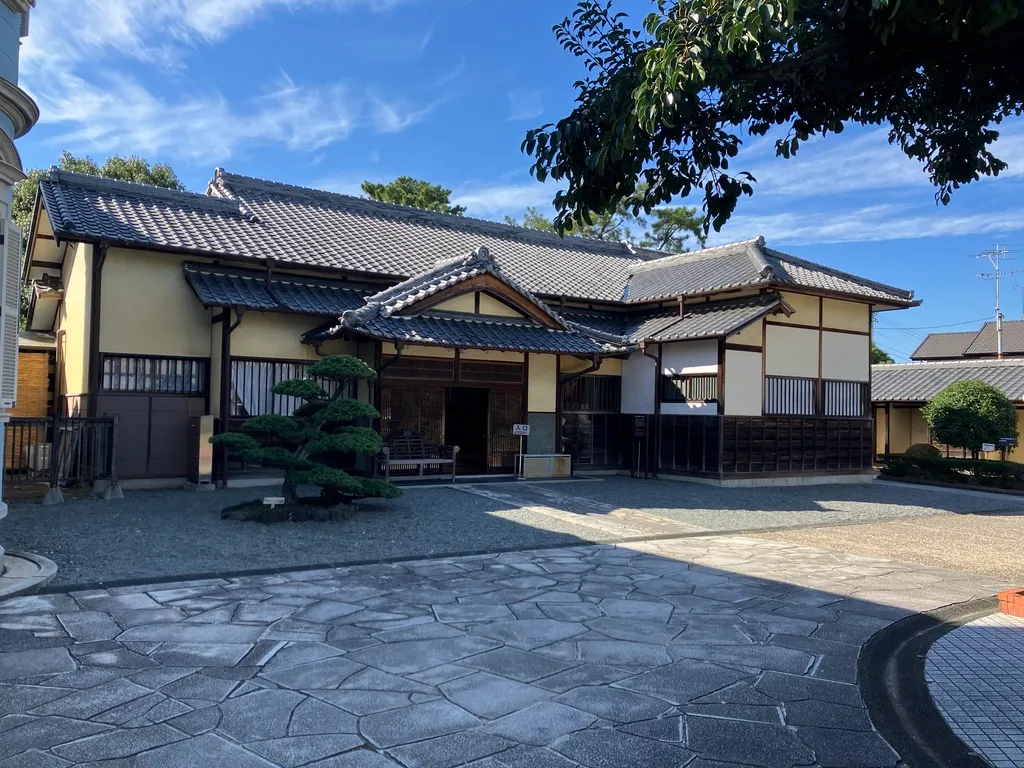
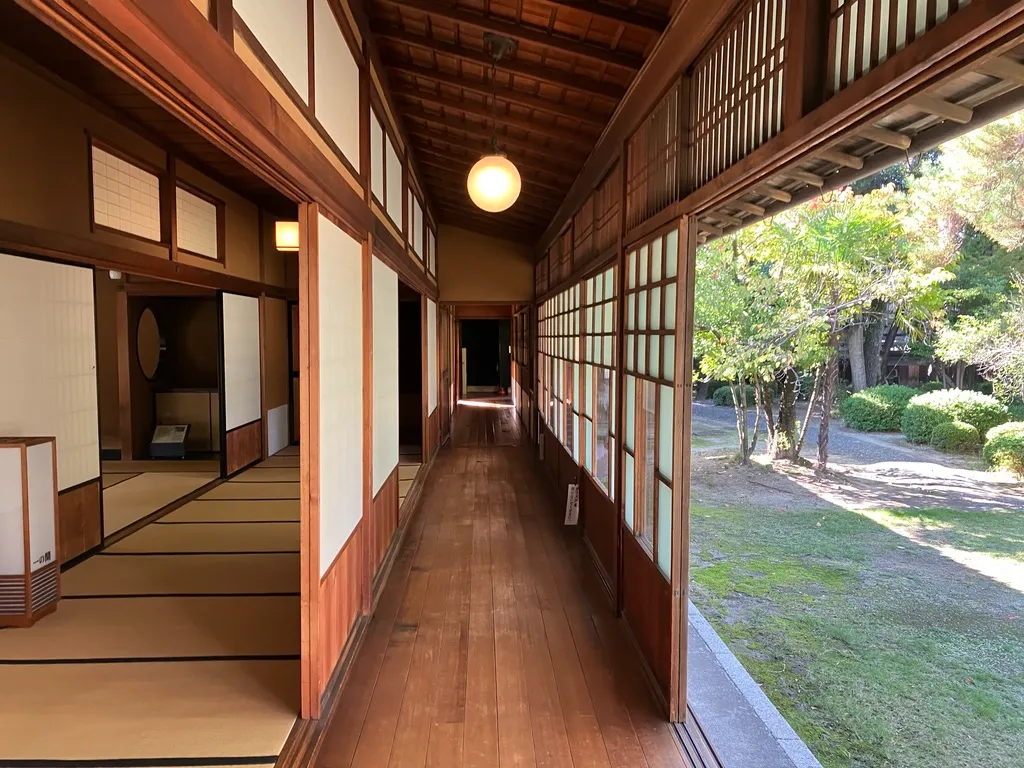
Walking through the garden, time flows slowly.
The garden features a stroll-style pond, where the scenery changes with every step you take.
The silhouette of the Western-style mansion reflected in the pond, the presence of the Japanese-style building drifting beyond the garden. This blend of both views is unique to Rokkaen. Its appearance changes with each season, so you can enjoy it no matter when you visit—spring, summer, fall, or winter.
Honestly, I highly recommend this place. I think it’s already quite famous, but I hope this reaches people like me who didn’t know it existed.
Summary
Kuwana-juku possesses many facets: its history as a post town, the uniqueness of the Tōkaidō crossing the sea, its character as a castle town, and the bustle of a port city.
Beginning with the tranquil moments at Kuka Park, touching upon the history of the castle ruins, feeling the sea breeze at the port, and then immersing yourself in the Meiji aesthetic at Rokkaen—such a route with such dramatic shifts is rare even along the Tōkaidō.
Kuwana is a town where simply strolling leisurely allows you to travel back and forth between the Edo, Meiji, and modern eras.
If you haven’t visited yet, please take a walk here at least once. History buffs, photography enthusiasts, and architecture lovers alike are sure to be satisfied.
- No.41 Walking Through Miyajuku: A Leisurely Journey Through the Gateway of the Highway Guarded by the Sea and Shrines
- No.43 Walking the Old Tokaido Road: Yokkaichi Station A leisurely journey exploring the bustling history born from a merchant town
Author of this article
関連記事
-
 No.43 Walking the Old Tokaido Road: Yokkaichi Station A leisurely journey exploring the bustling history born from a merchant town
 -
No.41 Walking Through Miyajuku: A Leisurely Journey Through the Gateway of the Highway Guarded by the Sea and Shrines
-
No.40 Walking the Tokaido “Narumi Post Town” ― A Post Town Where the Whispers of History and the Modern Townscape Blend Just Right
-
No.39 Chiryū-juku to Okehazama: A Leisurely Cycling Stroll
-
No.54To Sanjo Ohashi Bridge ― Walking from Yamashina to Kyoto’s Goal
-
No.53Otsu-juku – A Town Where Lake Biwa and History Intersect
-
No.52 “Kusatsu-juku” – Walking Through the Post Town Where the Tōkaidō and Nakasendō Roads Meet –
-
No.25 Walking the Tokaido Road: Kanaya Station! Crossing the River: A Tour of Historical Sites and Landmarks Associated with Nakata Genzo